Every year, as November 1st and 2nd arrive, Mexico fills with marigold flowers (cempasúchil), glowing candles, colorful altars, and aromas that evoke family memories. Day of the Dead (Día de Muertos) is one of the most representative traditions in Mexican culture: a celebration that honors those who have passed away and keeps alive the bonds that transcend physical absence.
To understand its meaning, it is necessary to look beyond its visual expressions. This holiday brings together beliefs, religious practices, family customs, and artistic expressions that, over the years, have shaped a distinct way of remembering death: more than a farewell, it is an opportunity to celebrate life.
WHAT IS DAY OF THE DEAD AND HOW DID IT ORIGINATE?
Day of the Dead is a celebration dedicated to honoring the memory of deceased family members, friends, and loved ones. According to the beliefs of numerous Mexican communities, during these dates souls symbolically return to the world of the living to reunite with their families, receive their offerings (ofrendas), and spiritually share the spaces they once inhabited.
Its history is more complex than often thought. Ancient Mesoamerican civilizations developed diverse ceremonies and concepts regarding death and the journey of souls. Later, with the arrival of the Spanish in the 16th century, Catholic celebrations of All Saints’ Day (November 1st) and All Souls’ Day (November 2nd) were integrated into the religious practices of New Spain. Over time, local customs, indigenous beliefs, and European traditions gave rise to diverse cultural expressions that evolved into today’s celebrations.
Because of this, while often described as a pre-Hispanic tradition, it is more accurate to understand contemporary Day of the Dead as a historical and cultural celebration where distinct heritages converge. There is no single way to commemorate it: its expressions vary according to region, community, and the beliefs of each family.
Its cultural significance was recognized internationally in 2008 when UNESCO inscribed the indigenous festivity dedicated to the dead onto its Representative List of the Intangible Cultural Heritage of Humanity. This distinction highlights its value as a tradition that strengthens community identity and the intergenerational transmission of knowledge.
ESSENTIAL RITUALS AND ELEMENTS OF THE CELEBRATION
Although each family shapes its own customs, there are core practices that illustrate the meaning of Day of the Dead across much of the country.
The Altar and the Offering
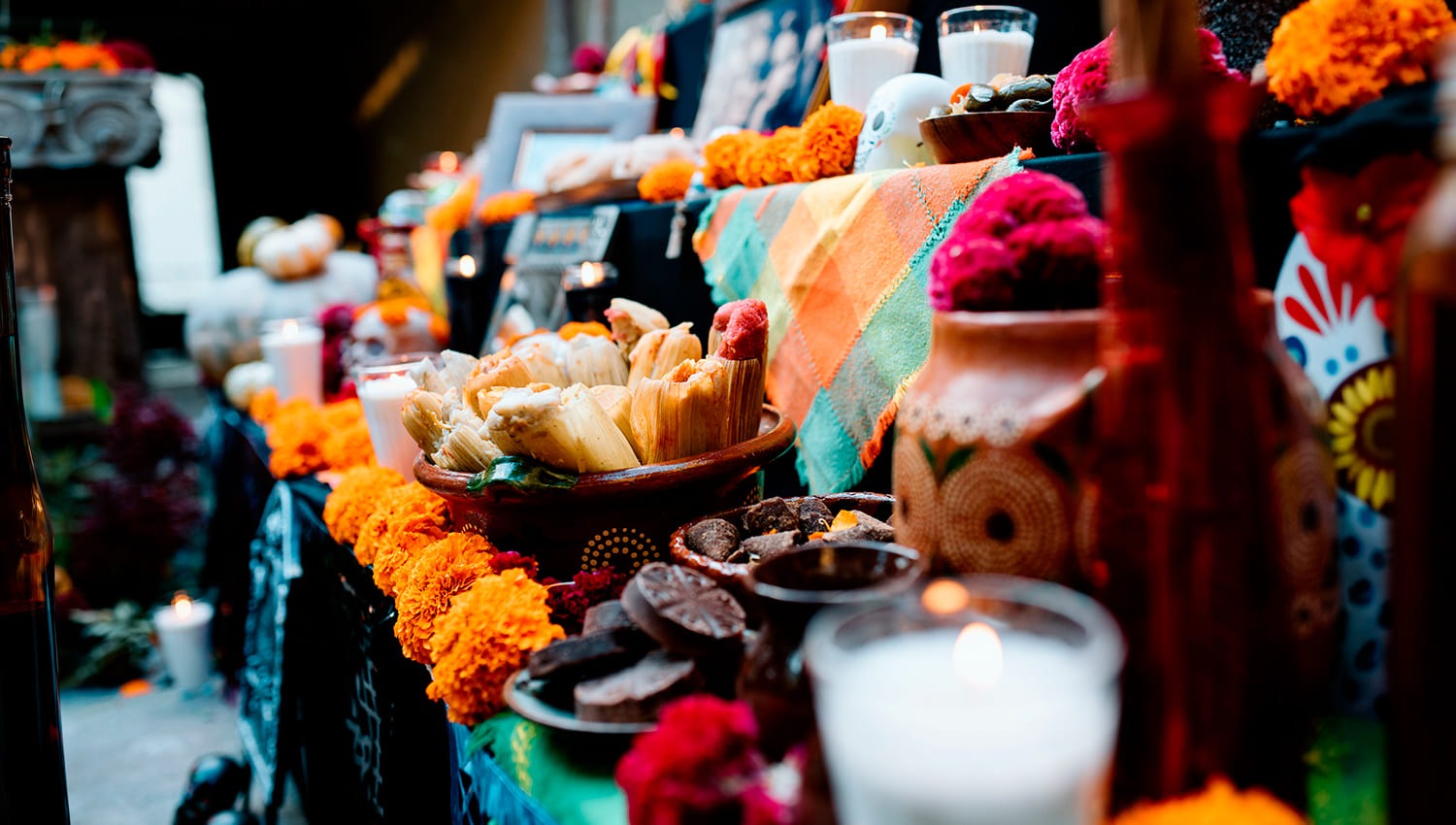
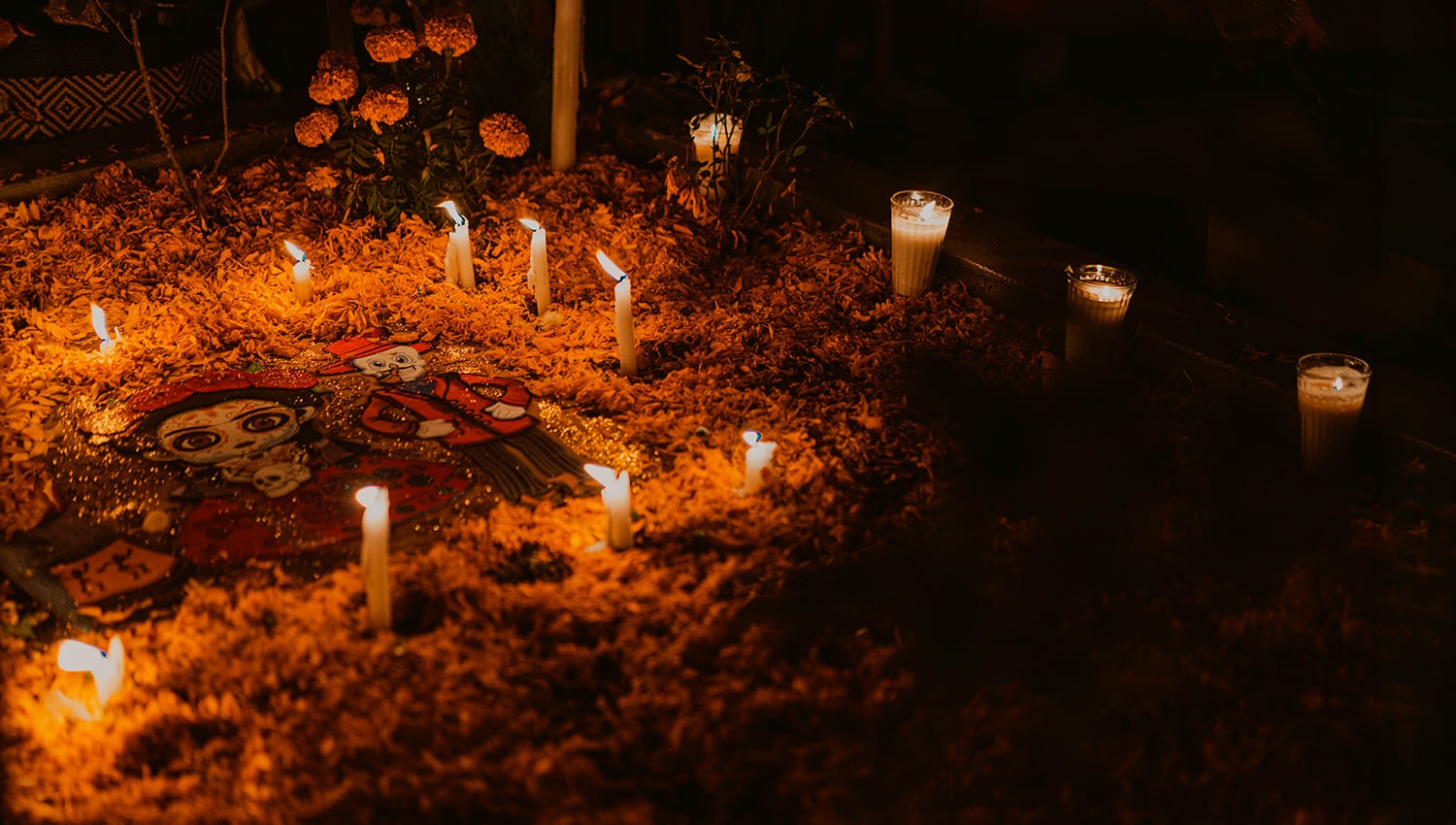
It is the heart of the celebration. In homes, schools, public spaces, and elsewhere, altars are prepared with photographs of the deceased, votive candles, food, drinks, and personal items. Each offering is a way to symbolically welcome those being remembered and express an enduring affection.
Flowers, Light, and Aromas
The cempasúchil (Mexican marigold), with its characteristic orange hue, is one of the most recognizable symbols. Its petals often trace pathways leading to the altars, while candles serve as a guide for the souls. Copal resin and incense fragrance the air, adding a ritual dimension.
Pan de Muerto and Favorite Dishes
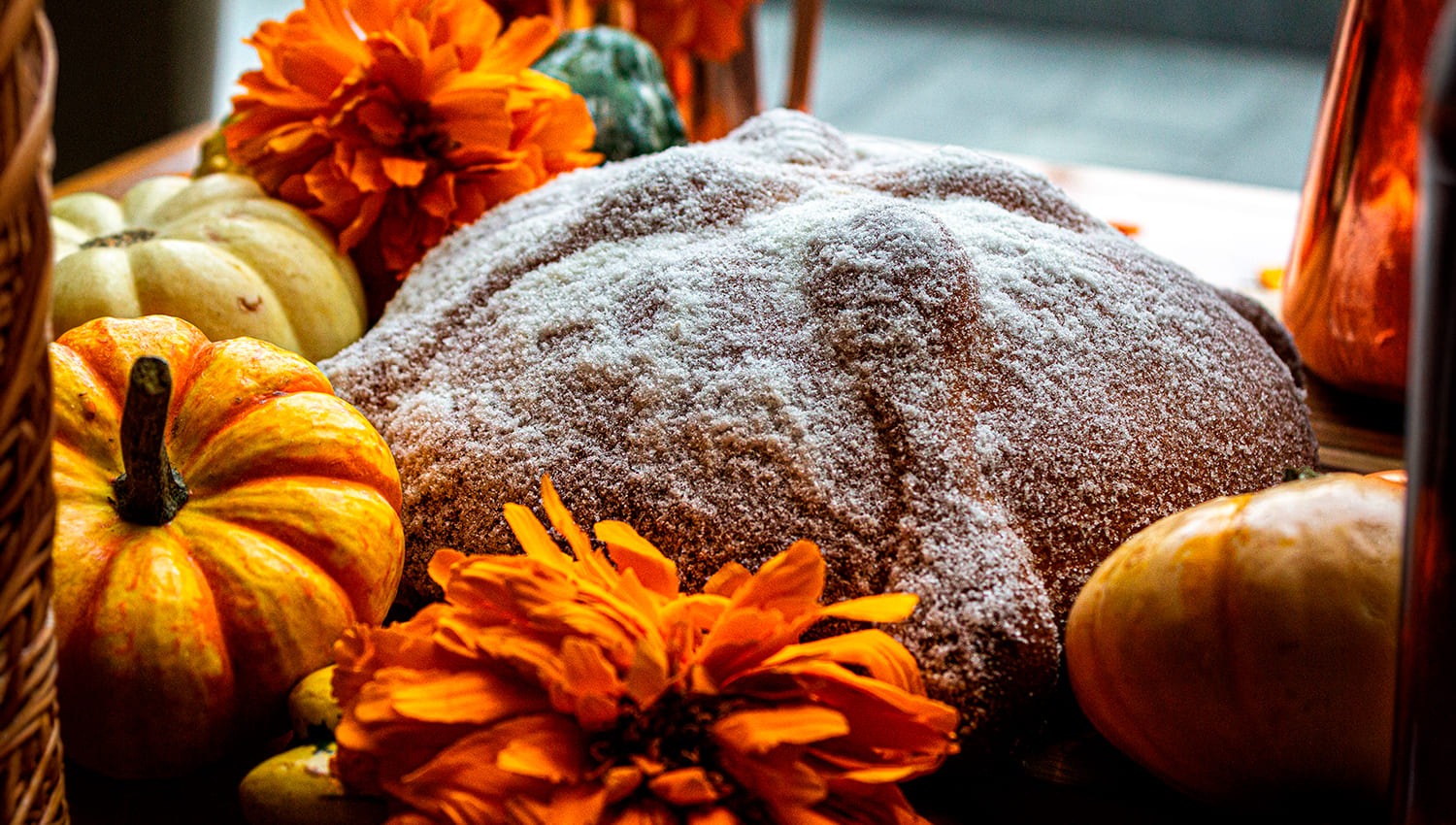
Pan de muerto (traditional sweet bread), sugar skulls, seasonal fruit, tamales, and family recipes hold a special place. Many altars feature the favorite foods and drinks of those being honored, as a way to evoke their presence and share with them what they enjoyed in life.
Visiting Cemeteries
Families clean and decorate gravesites, bring flowers, light candles, pray, and, in some communities, spend several hours alongside their departed. Rather than a scene of sorrow, the cemetery can become a gathering place for family reunions, conversation, and remembrance.
It is also common for November 1st to be dedicated to remembering deceased children (Día de los Inocentes), while November 2nd commemorates adults. However, this distinction is not observed identically throughout all of Mexico.
Literary calaveritas—satirical verses imagining playful encounters with death—alongside artistic skeleton displays, costume contests, music, and parades form part of other popular festivities. Together, they demonstrate a unique facet of Mexican culture: the ability to approach death with respect, affection, creativity, and, at times, humor.
HISTORICAL FIGURES AND TRANSCENDENT SYMBOLS
José Guadalupe Posada and La Catrina
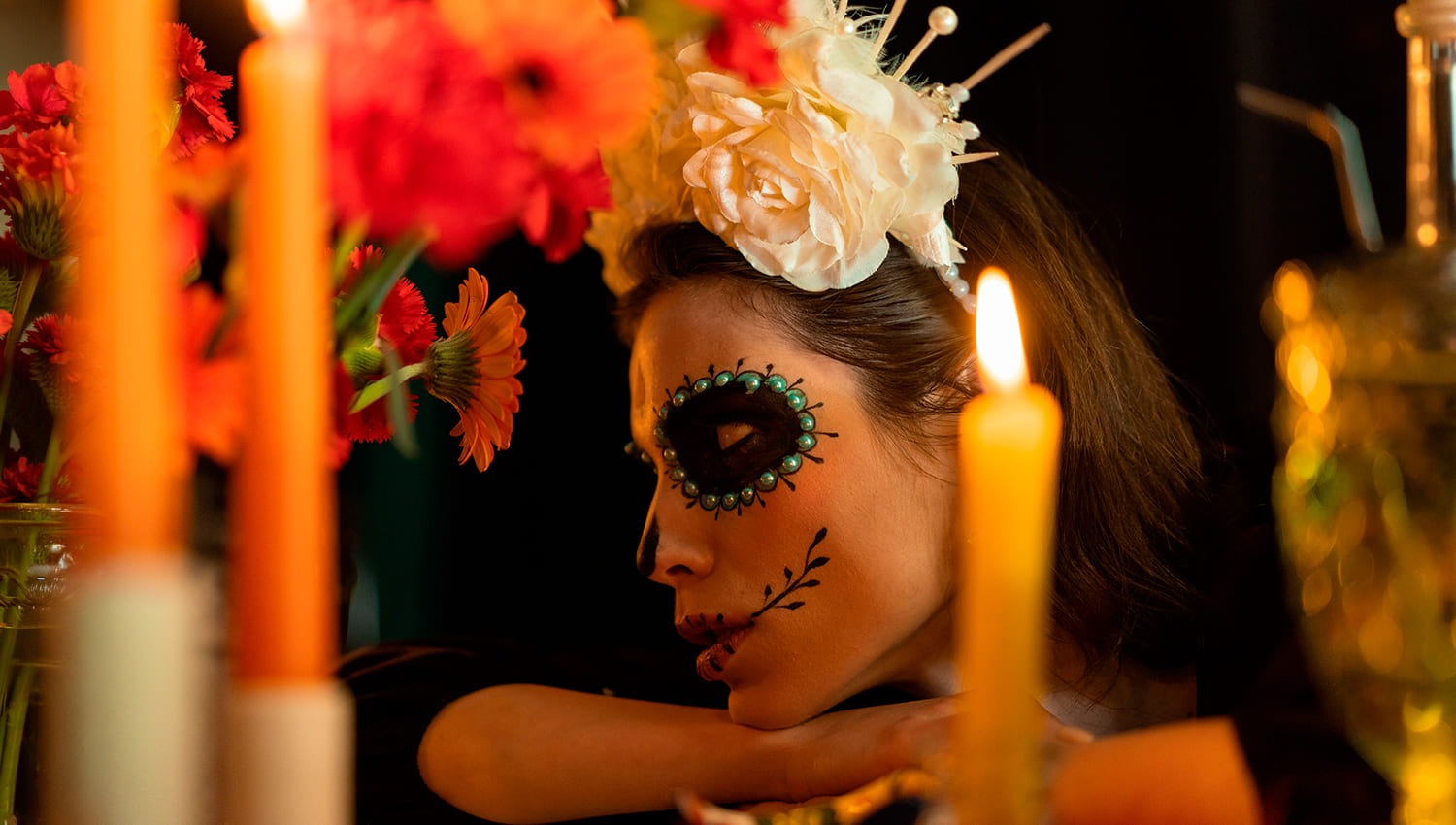
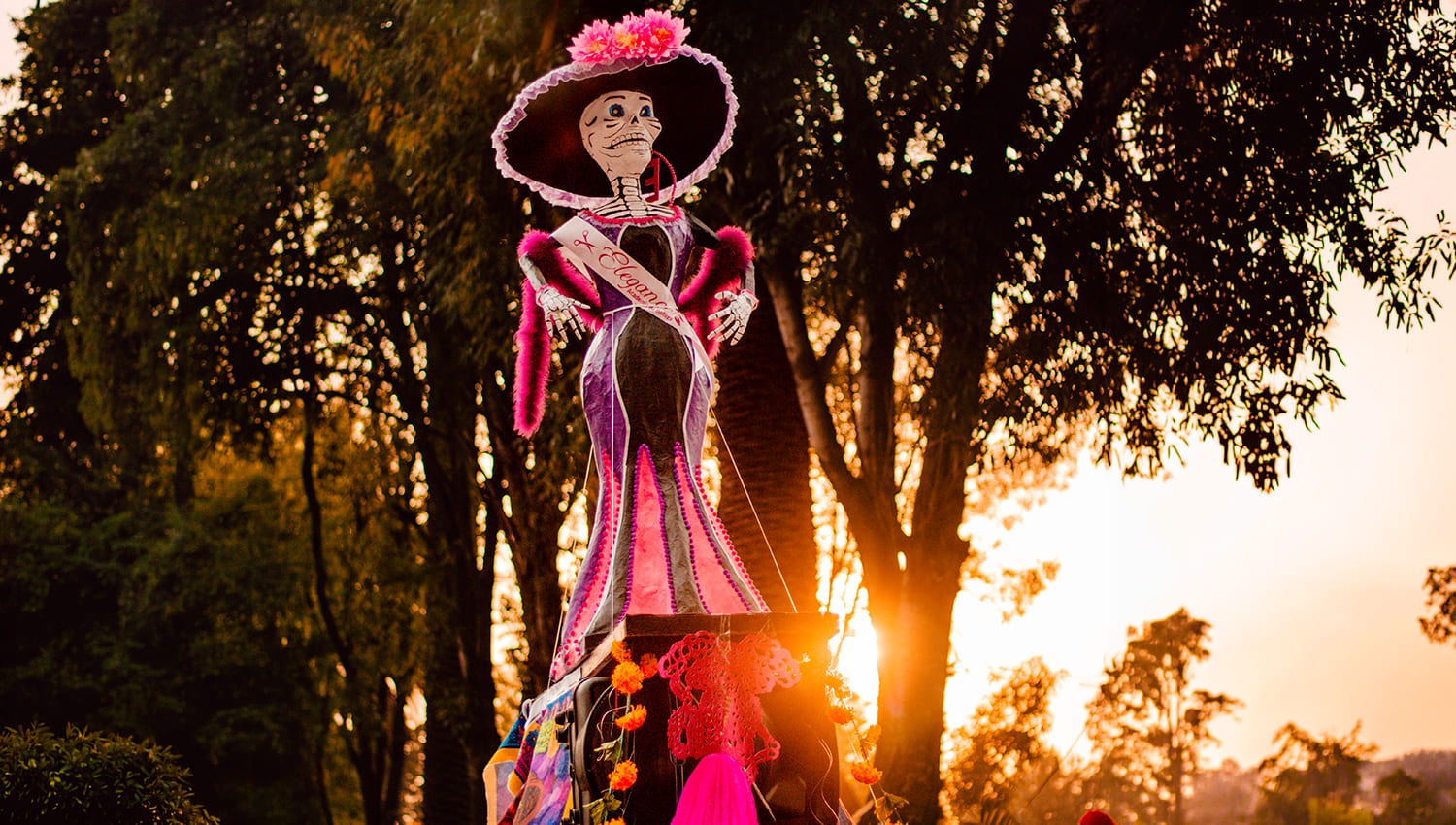
In the early 20th century, Mexican printmaker José Guadalupe Posada created a female skeleton figure originally known as La Calavera Garbancera. Through it, he satirized the pretensions of certain social sectors striving to project European aristocracy. Decades later, Diego Rivera incorporated her into his mural Dream of a Sunday Afternoon in Alameda Central, popularizing the name La Catrina. Today, she is one of the most recognized visual symbols of Day of the Dead.
Diego Rivera and Mexican Identity
Beyond helping popularize La Catrina, Rivera was a foundational figure in Mexican muralism, a movement that explored the country’s history, traditions, and social tensions. His work helped integrate popular folk imagery into an artistic narrative about national identity.
La Catrina is not an ancient figure dating back to pre-Hispanic times; her graphic origin is relatively recent. Her widespread popularity demonstrates how an artistic creation can evolve into a cultural emblem with international reach.
HOW IS DAY OF THE DEAD EXPERIENCED IN VALLARTA · NAYARIT?
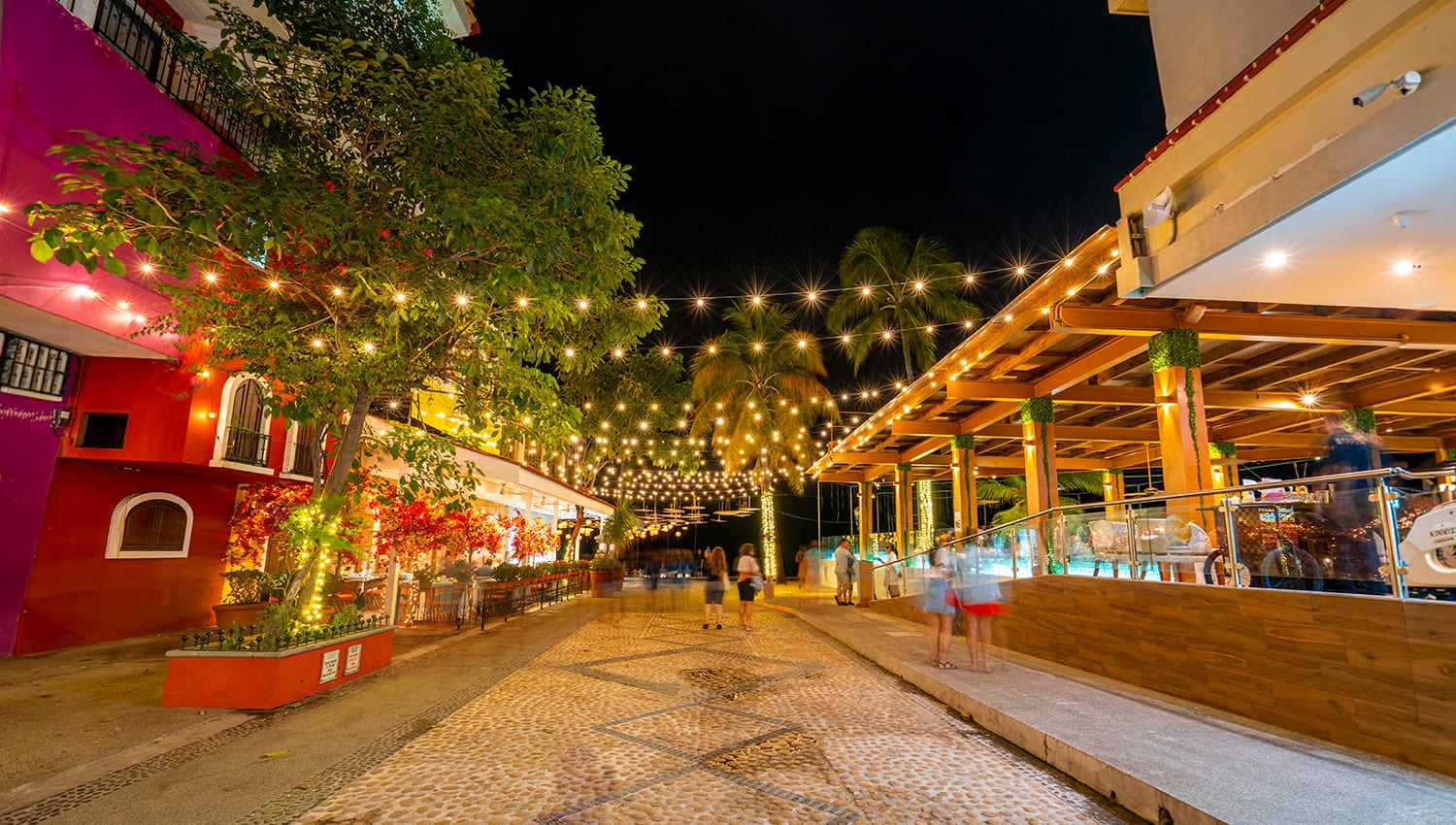
In Puerto Vallarta and Riviera Nayarit, this tradition retains its familial and community core, but has also found new forms of expression in public spaces, cultural events, and the visitor experience. The result is a celebration that allows guests to connect with Mexican customs against a backdrop framed by the Pacific Ocean, historic streets, and local creativity.
A CELEBRATION KEEPING MEMORY ALIVE
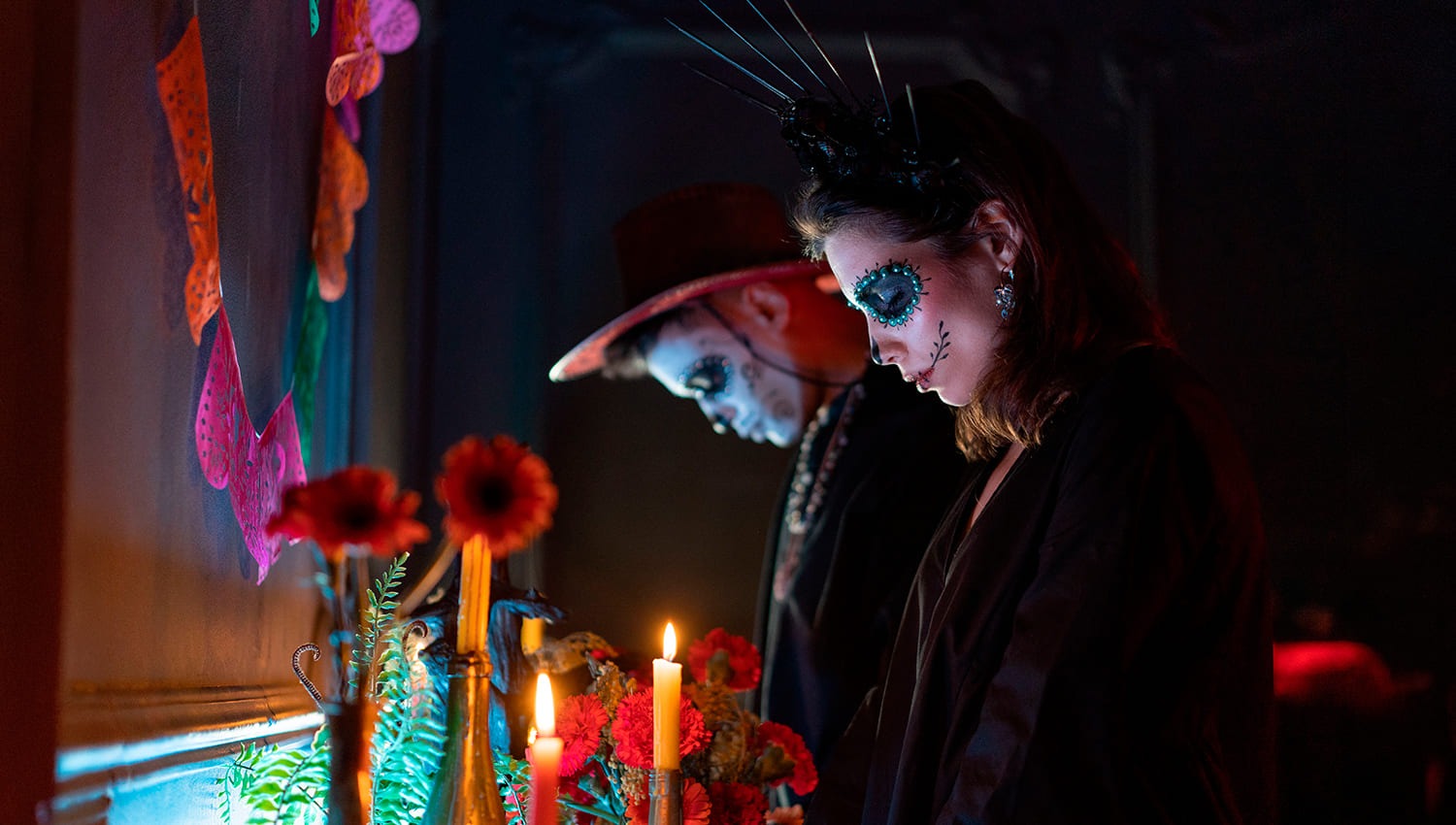
Day of the Dead is, above all, a tradition of affection. Behind every photograph set upon an altar, every candle lit, and every dish prepared lies a personal story: someone who is missed, an anecdote that continues to bring a smile, or a family custom passed from one generation to the next.
In Vallarta · Nayarit, this heritage discovers fresh ways to express itself without severing its ties to remembrance. For visitors, understanding it offers a perspective beyond the catrinas, flowers, and festivities, revealing one of the deepest truths conveyed by Mexican culture: while death is an inevitable part of existence, remembrance, love, and shared stories keep those who have departed ever-present.