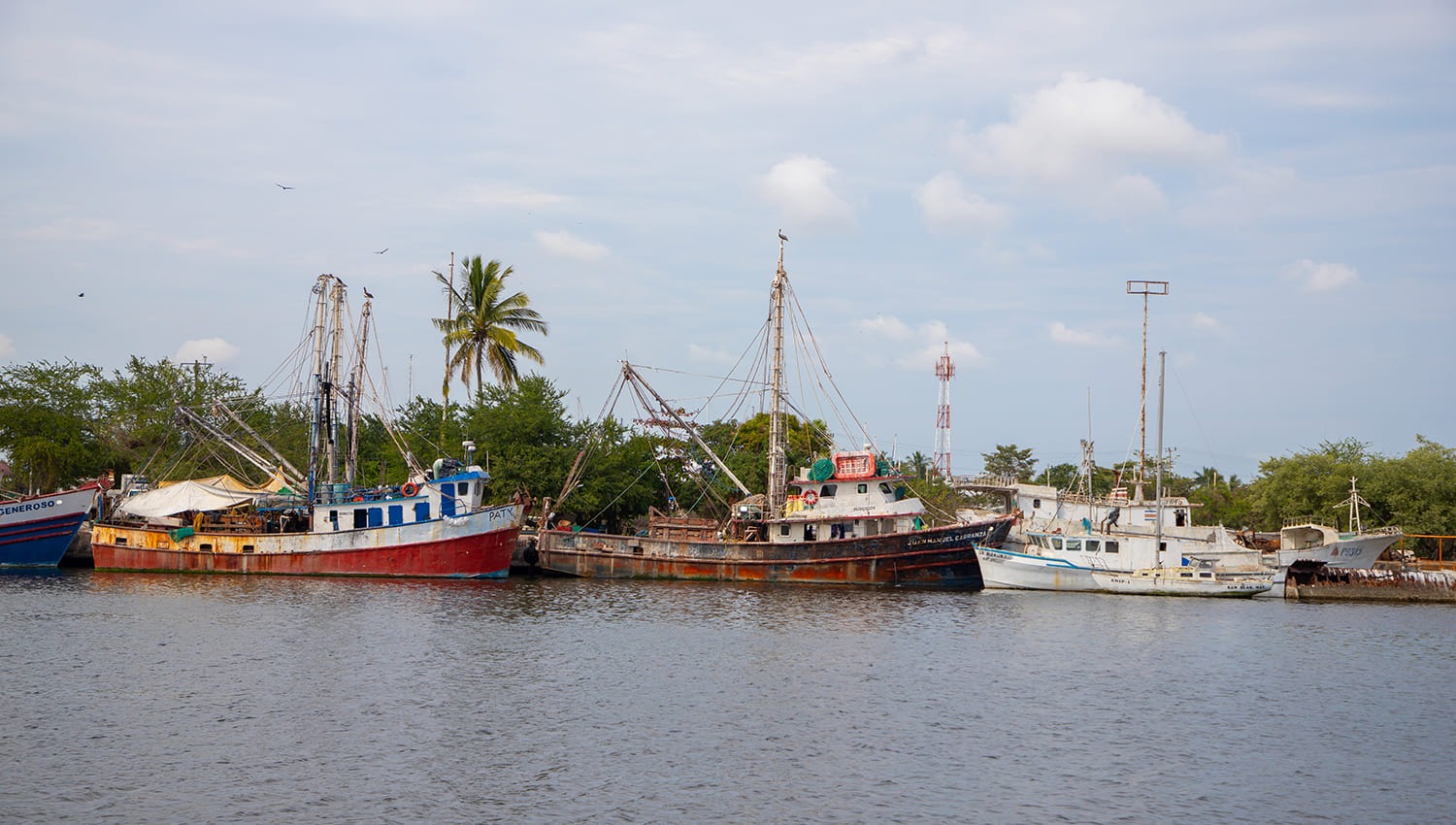
San Blas is a Pueblo Mágico that invites visitors to discover a different facet of Riviera Nayarit, where history and centuries-old traditions coexist facing the Mexican Pacific. More than just a beach destination, this port preserves a legacy that has shaped the development of the region.
The San Blas region was originally explored and founded around 1530 by the conquistador Nuño de Guzmán. Subsequently, its formal establishment as an important Spanish naval port and shipyard was made official on May 16th, 1768, by inspector José de Gálvez. Today, this historical heritage remains alive in its streets, historic buildings, and its permanent maritime vocation.
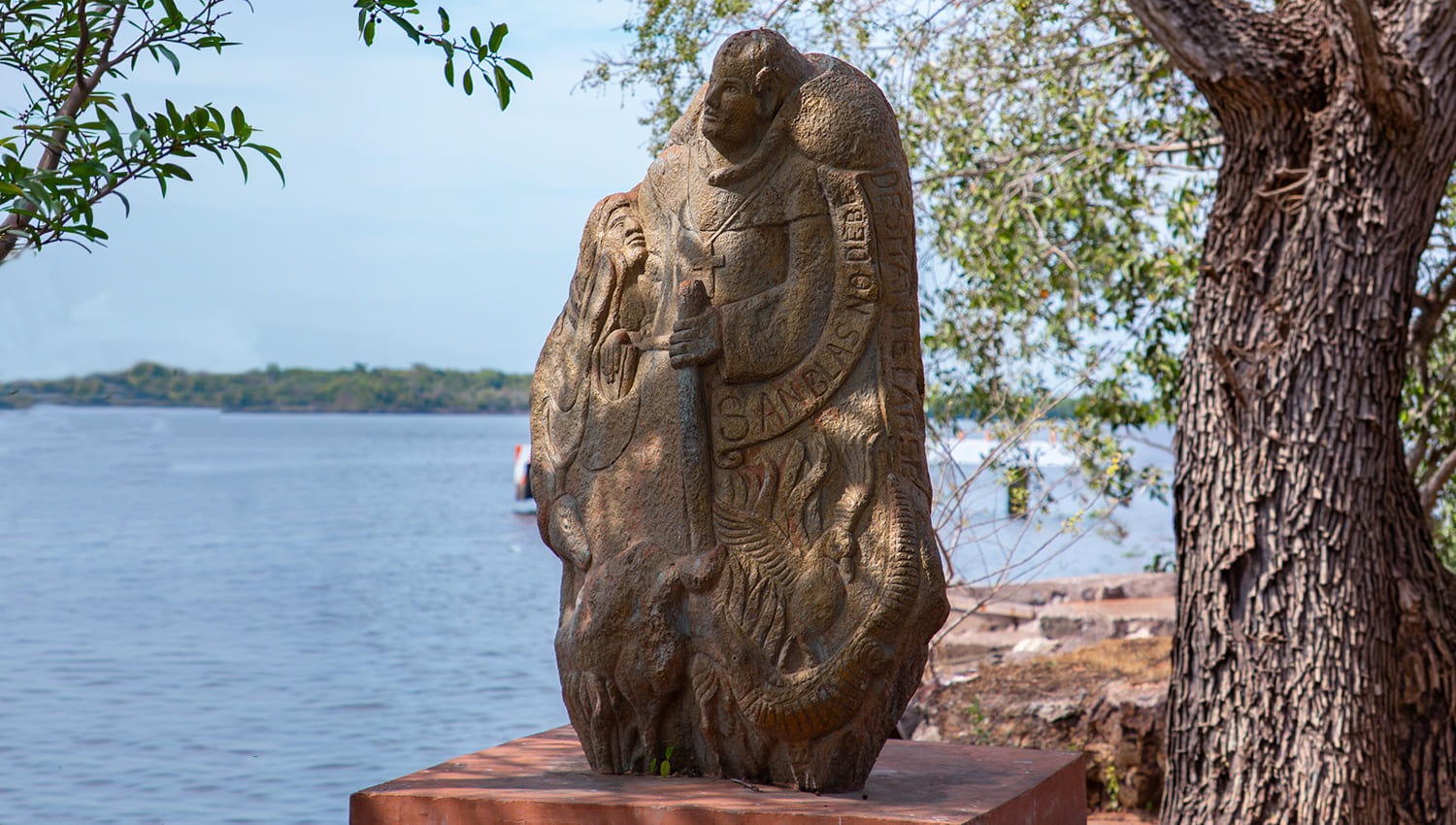
One of the most representative times to experience the essence of this destination is during the San Blas Patron Saint Festivities, an annual celebration that brings residents and visitors together around religious, cultural, and folk expressions filled with music, color, and devotion.
Although the activities begin toward the end of January, the main day dedicated to Saint Blaise—considered the protector of hunters and those suffering from throat ailments—takes place in February.
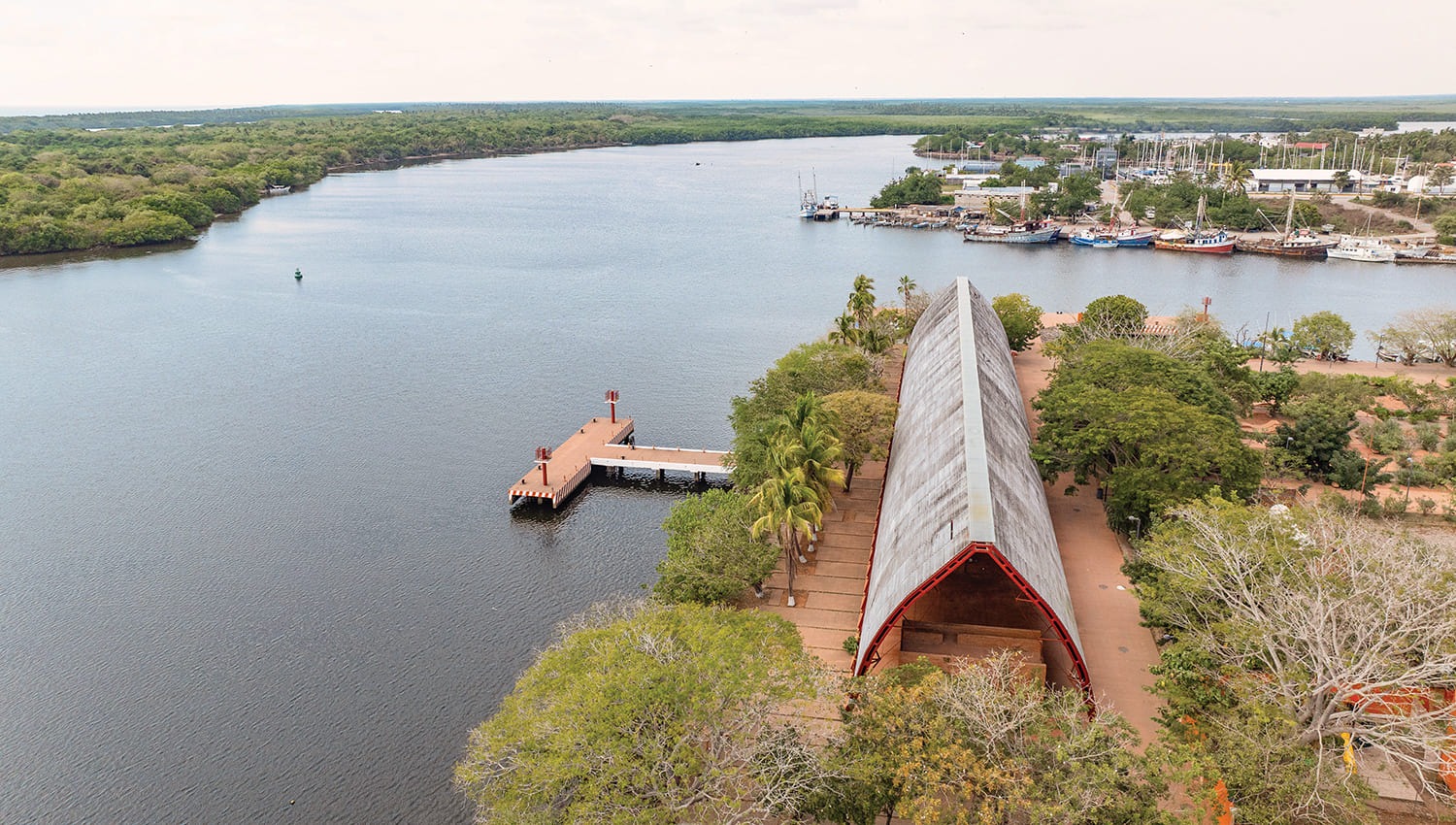
That same maritime spirit can be appreciated throughout the year in the port area, which has entered a new era following renovations completed in 2022. The space integrates a larger pier for boats, gardens, recreational areas, and a crafts market, all under a striking roof inspired by the shape of an inverted ship.
More than just an urban renewal, this project has helped revitalize the heart of the Pueblo Mágico and solidify it as one of Riviera Nayarit’s most representative meeting spots. Today, visitors and locals alike explore this space to watch the coming and going of vessels, enjoy the coastal atmosphere, and appreciate a renewed image that respects the port’s historic identity.
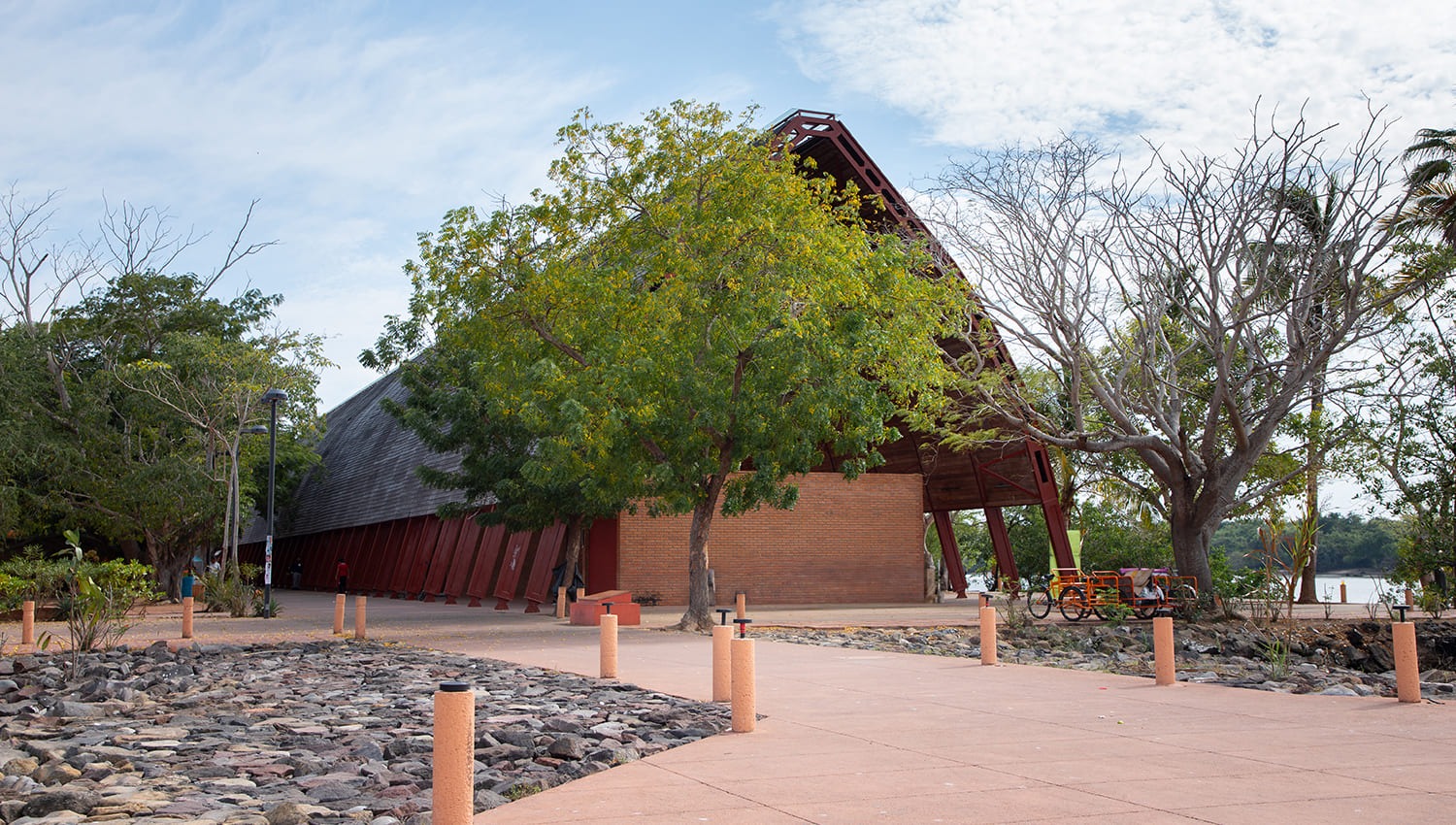
Very close to the pier, there are also various points of interest that offer insight into the cultural richness of San Blas, such as the historic Old Maritime Customshouse Building, the San Basilio Hill, and the Wixárika Ceremonial Center, located just a few meters from the dock. Together, these sites offer a perspective on the past and present of a community whose identity has been tied to the sea since its origins.
Whether walking along its renovated boardwalk, admiring the architectural details of the port area, or discovering the symbols that evoke the history of its patron saint, San Blas offers an experience that goes beyond the scenery. It is a destination where history continues to be written facing the ocean, reminding us that some ports do not just connect territories, but also generations.