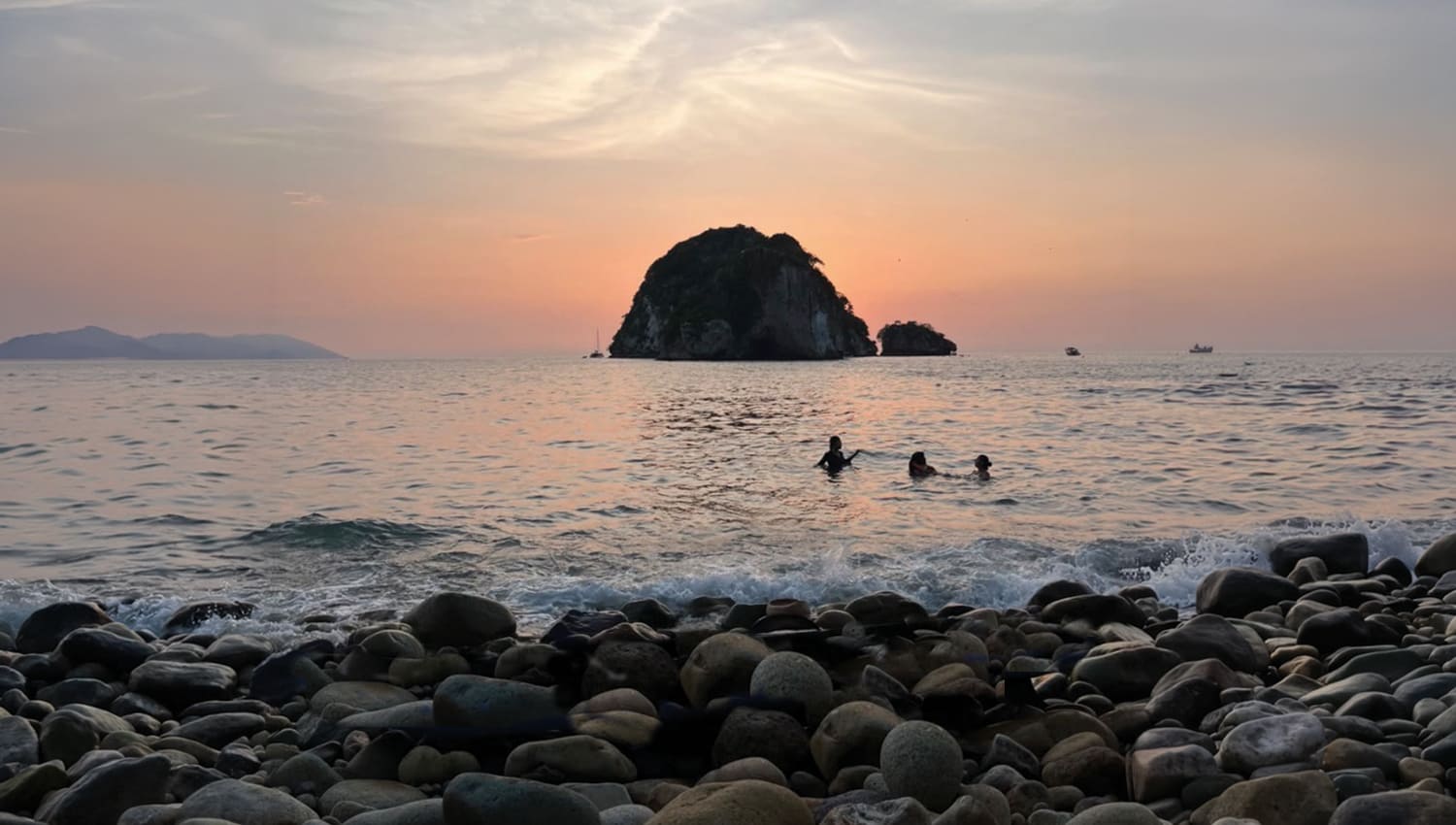
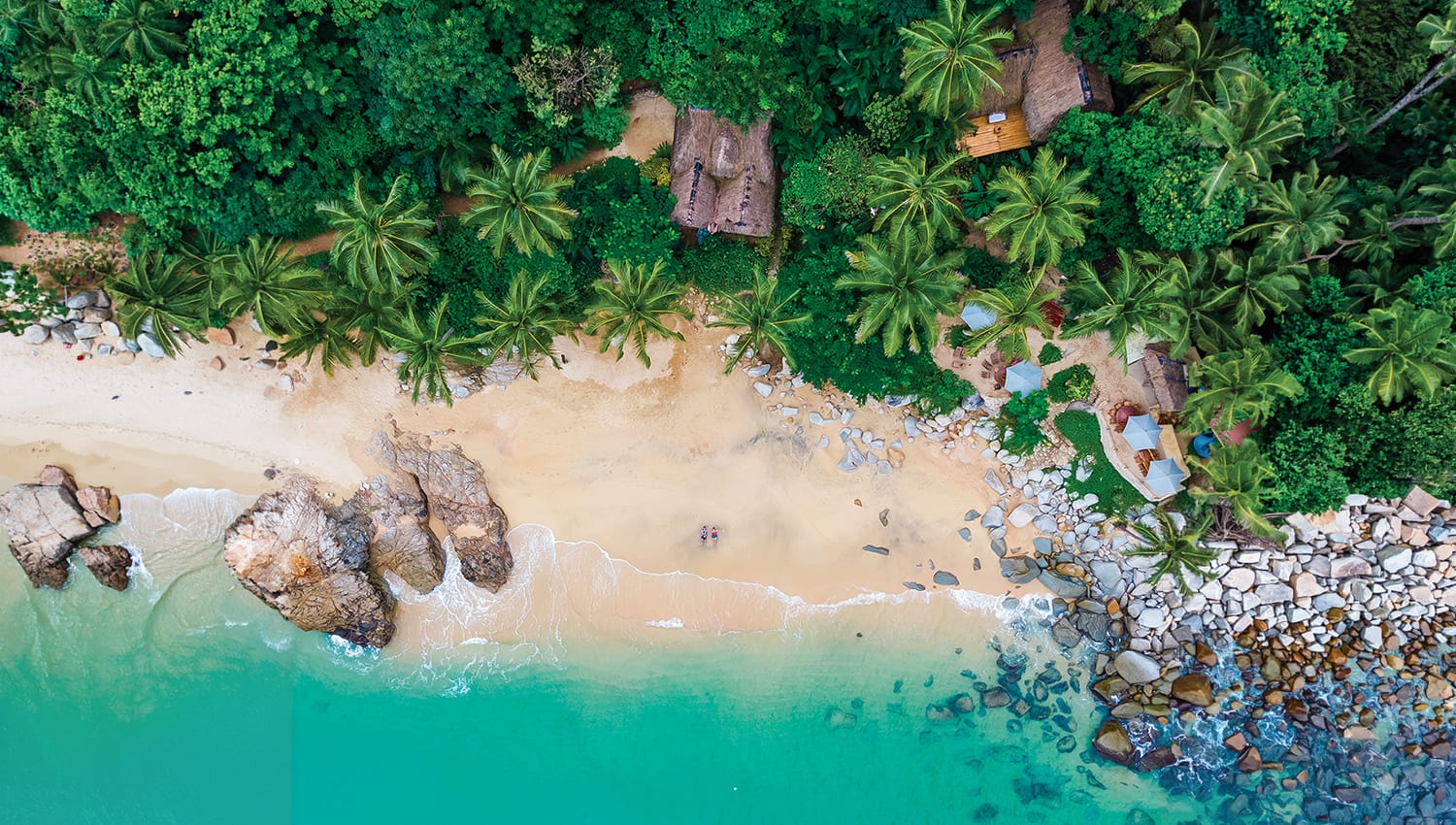
Some journeys remain in memory because of a landscape; others, for the adventure; and still others, for becoming an opportunity for introspection and awe before the wonders of nature. In Nayarit, that encounter can happen in the middle of the ocean, amid volcanic landscapes emerging from the sea, where seabirds star in a fascinating spectacle at Isla Isabel National Park.
AN ISLAND WHERE BIRDS TAKE CENTER STAGE
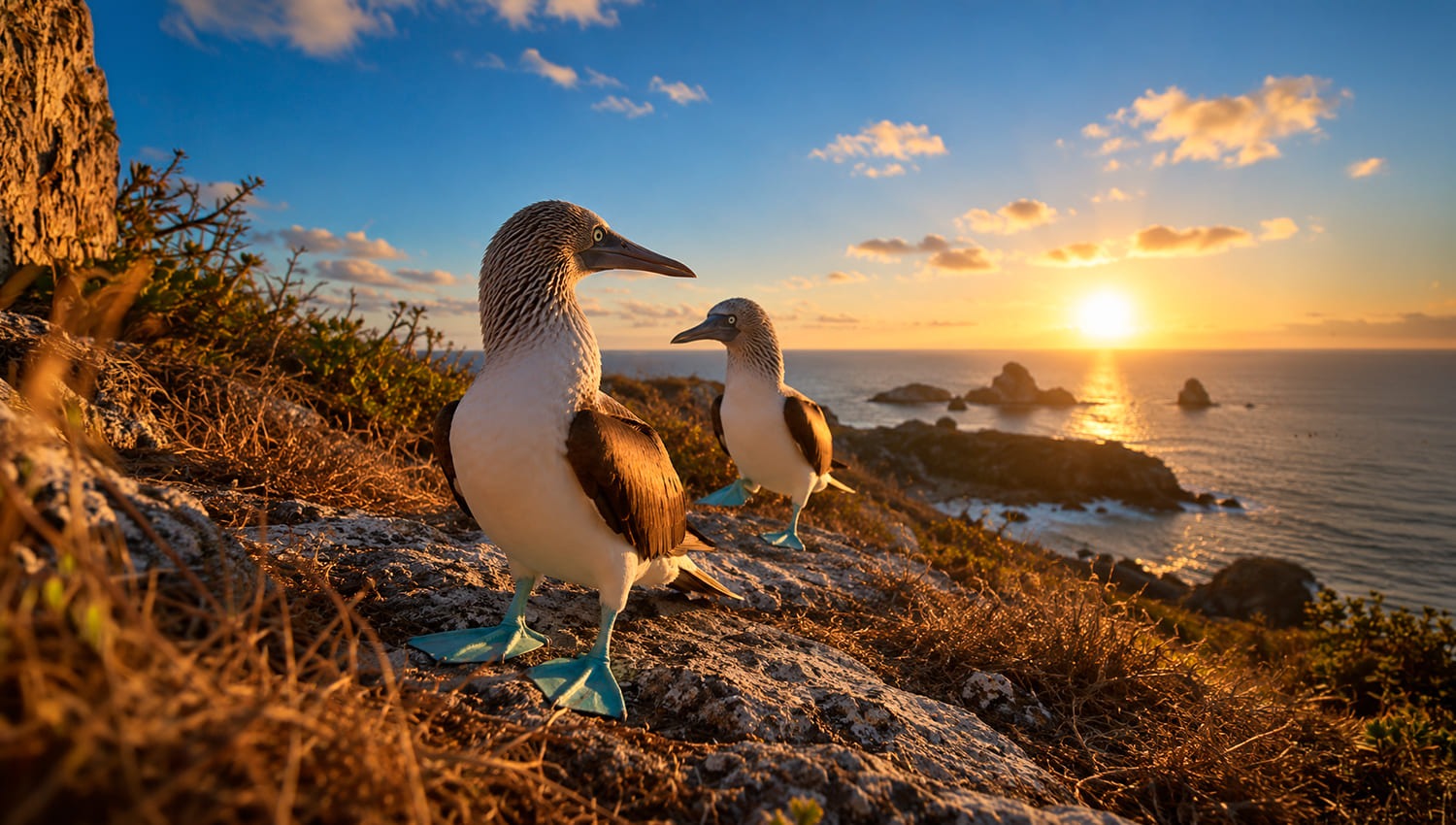
Off the coast of Santiago Ixcuintla lies Isla Isabel, an insular territory that forms part of Nayarit’s natural heritage and offers a privileged setting for seabird watching, thanks to the presence of major breeding colonies. Among them, the Blue-Footed Booby (Sula nebouxii) stands out, easily recognizable by the intense blue color of its feet and its characteristic white and brown plumage.
According to the National Commission of Natural Protected Areas (CONANP), Isla Isabel houses one of the most significant colonies of this species in the Eastern Pacific, turning a visit to this territory into an opportunity to connect with one of the most astonishing expressions of Nayarit’s wildlife.
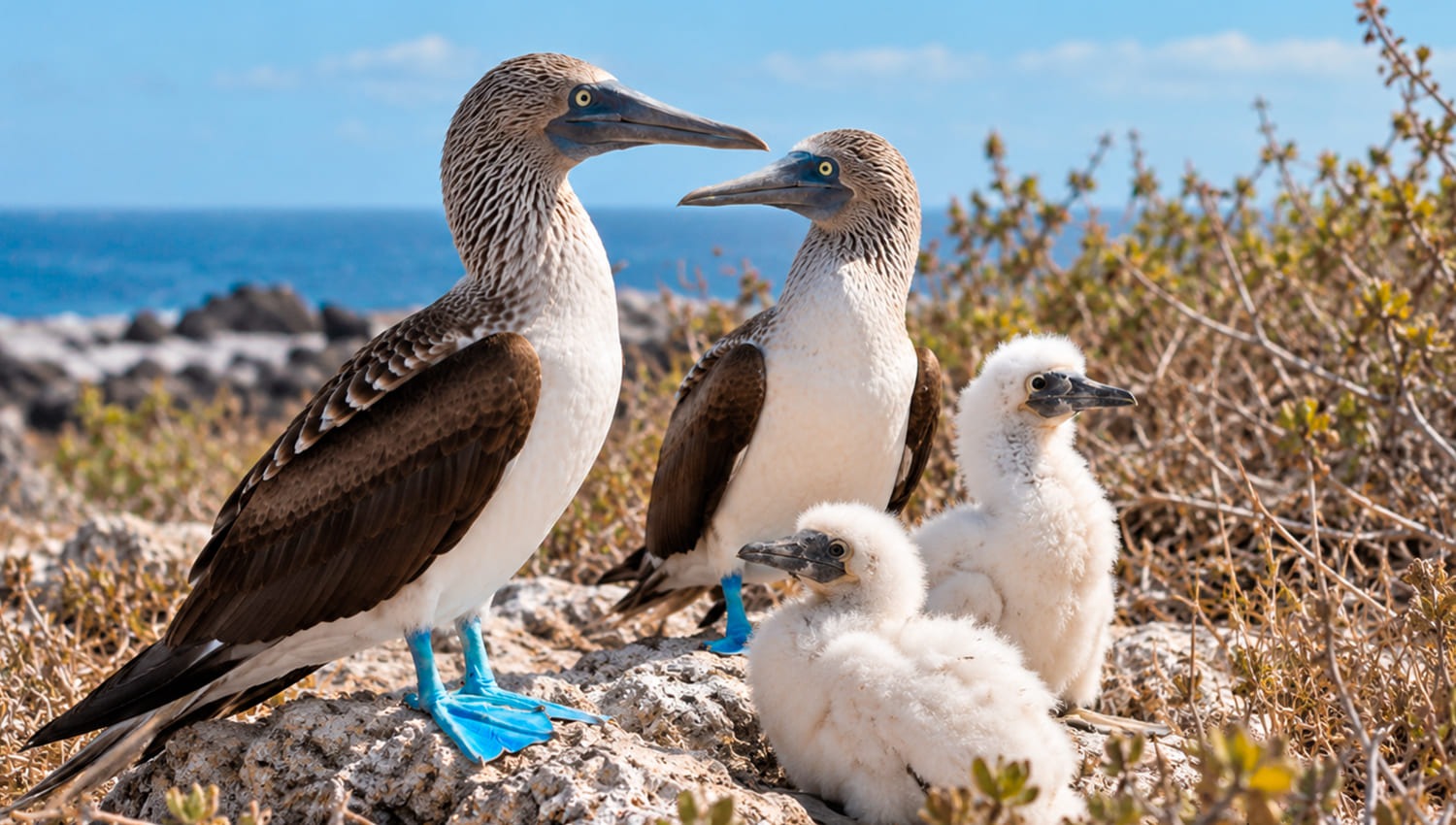
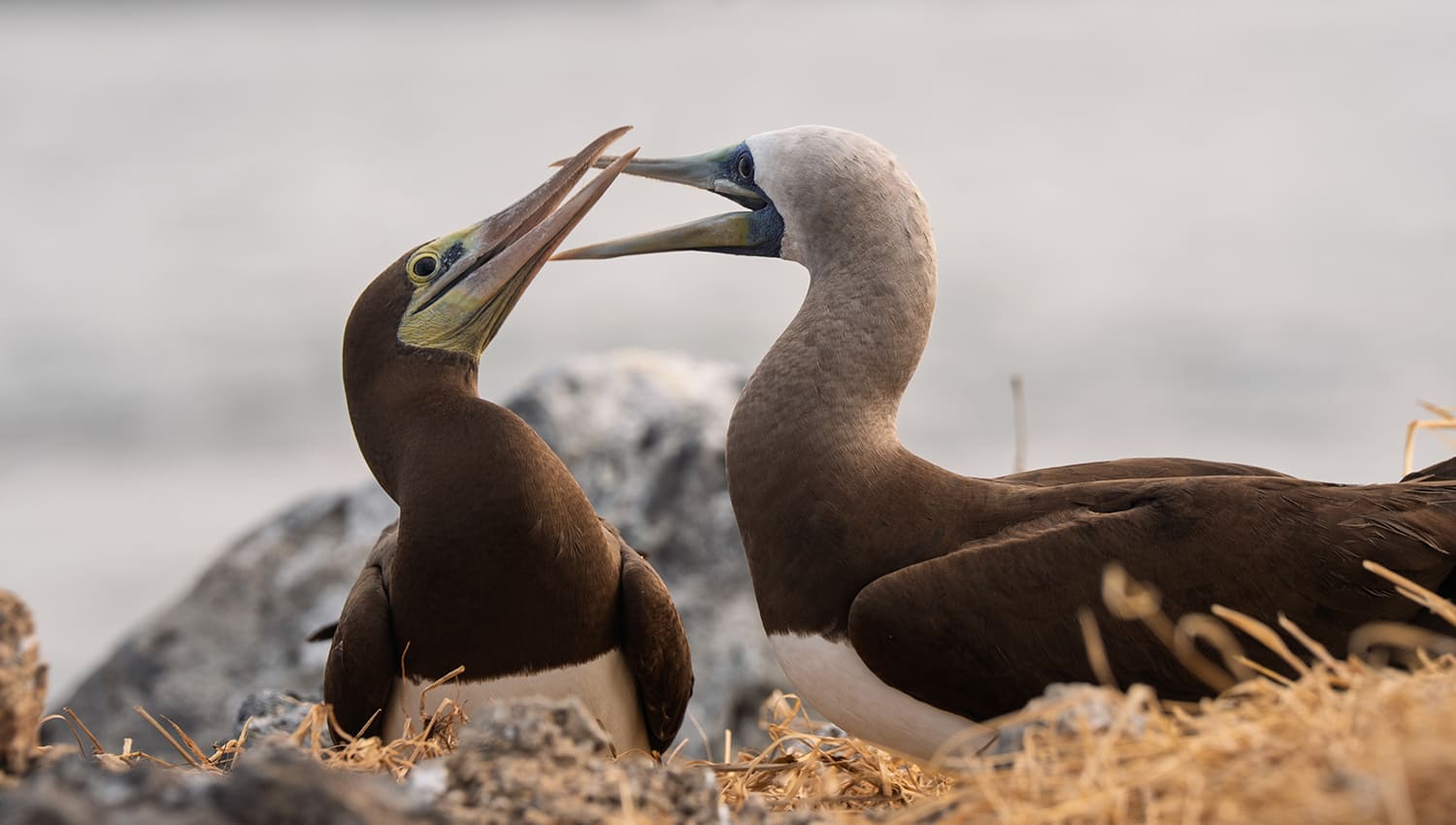
Isla Isabel is not merely a destination reached to gaze at the sea. It is a space where wildlife forms an integral part of the landscape. This island of volcanic origin was declared a National Park on December 8, 1980, and is also recognized as a Ramsar Site due to its importance as a wetland where numerous seabird species breed—including the Blue-Footed Booby, the Brown Booby, and Frigatebirds.
According to the National Park’s management program, the Blue-Footed Booby holds a special place within this biodiversity. During its nesting season (December to June), the island becomes a backdrop for various stages of reproduction and rearing.
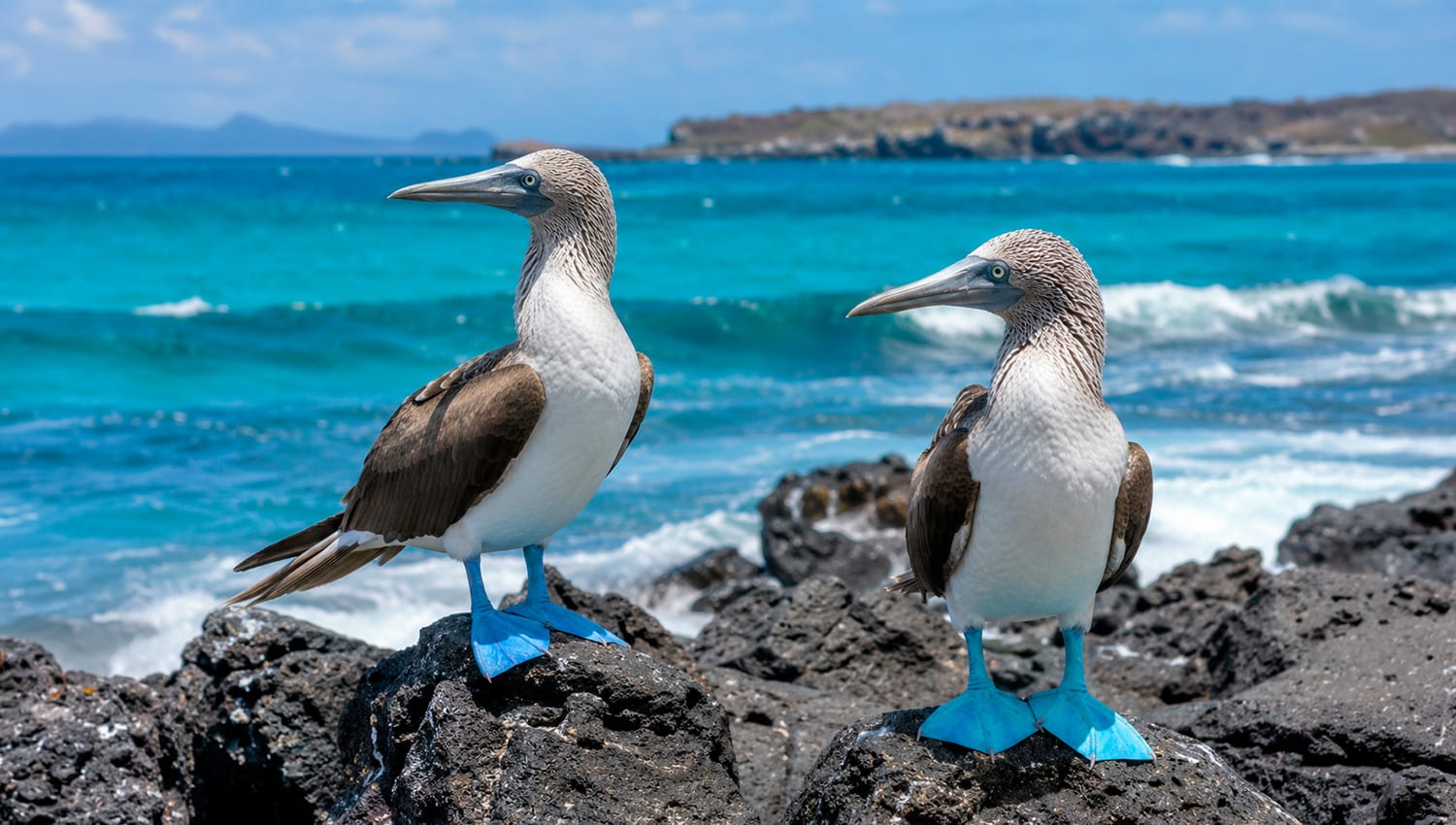
Observing these birds during these months reveals a lesser-known side of Nayarit: that of its islands and marine ecosystems, where every species plays a role in a delicate natural balance.
THE JOURNEY BEGINS BEFORE REACHING THE ISLAND
The only way to access the National Park is by sea, through boat tours departing from points like San Blas and Boca de Camichín. Certified tour operators conduct these transfers and offer activities such as flora and fauna watching, hiking, snorkeling, scuba diving, and boat rides.
The trip is an essential part of the experience. As the coastline fades into the background and the horizon opens up, an island marked by its elevations, cliffs, beaches, islets, and volcanic formations comes into view. The landscape then adopts a new dimension, revealing a territory where nature retains the leading role.
Behind the striking image of the Blue-Footed Booby lies an extensive field of knowledge. This is one of the birds that has received the most scientific attention at Isla Isabel National Park, where research has been conducted on its reproductive behavior, mate selection, parental care, growth, and other aspects of its ecology.
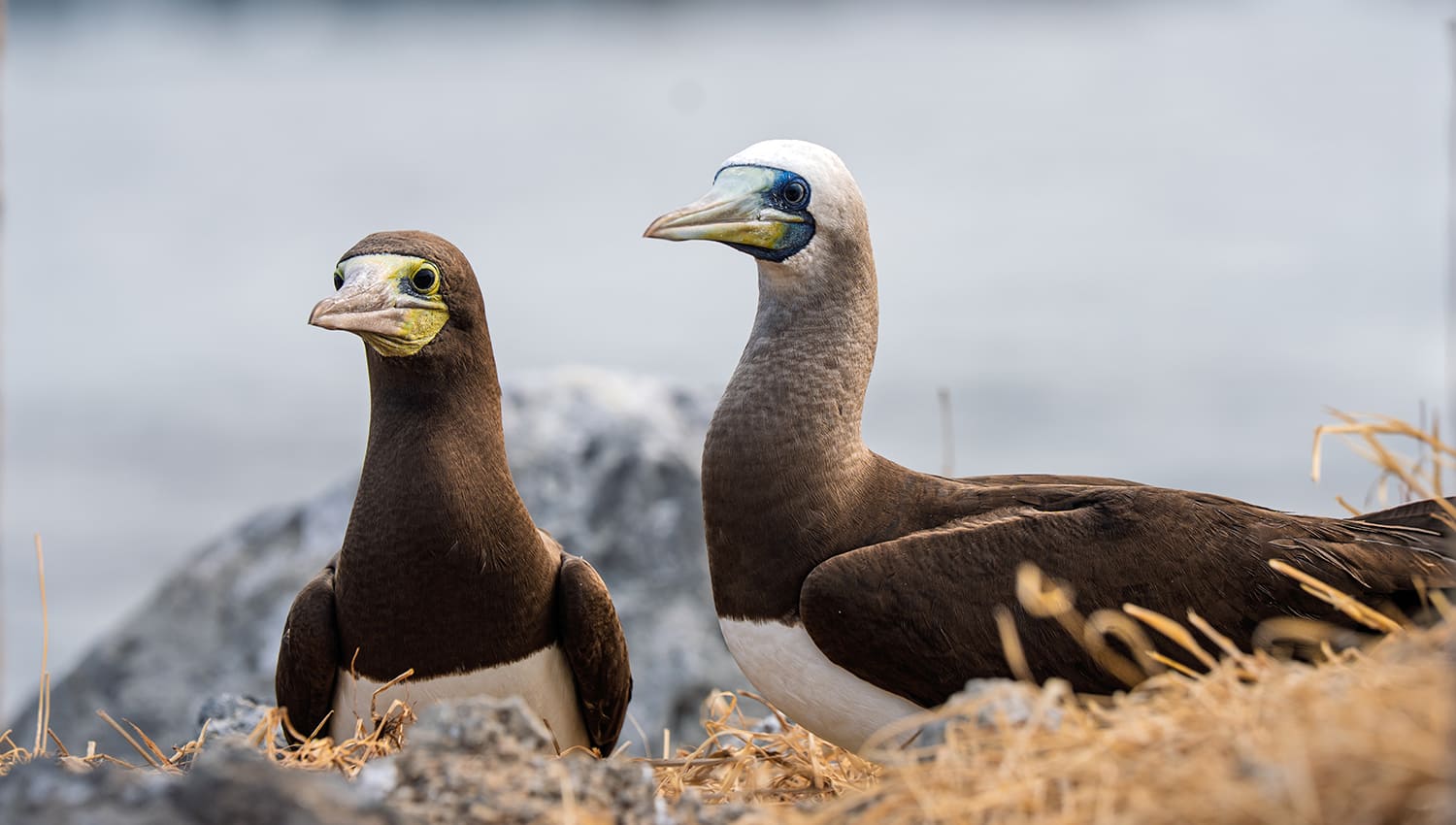
The presence of major seabird colonies has also made the island a territory of special interest for conservation. In recent years, CONANP—in collaboration with academic institutions, civil organizations, and the local population—has promoted actions to protect biodiversity, manage tourism access, and conserve the ecosystem.
For this reason, observing these birds requires responsibility, respecting the regulations of the protected natural area, and avoiding any disruption to their behavior. More than just a chance to behold a unique species, every sighting is an invitation to recognize the value of an ecosystem that continues to thrive far from the mainland.