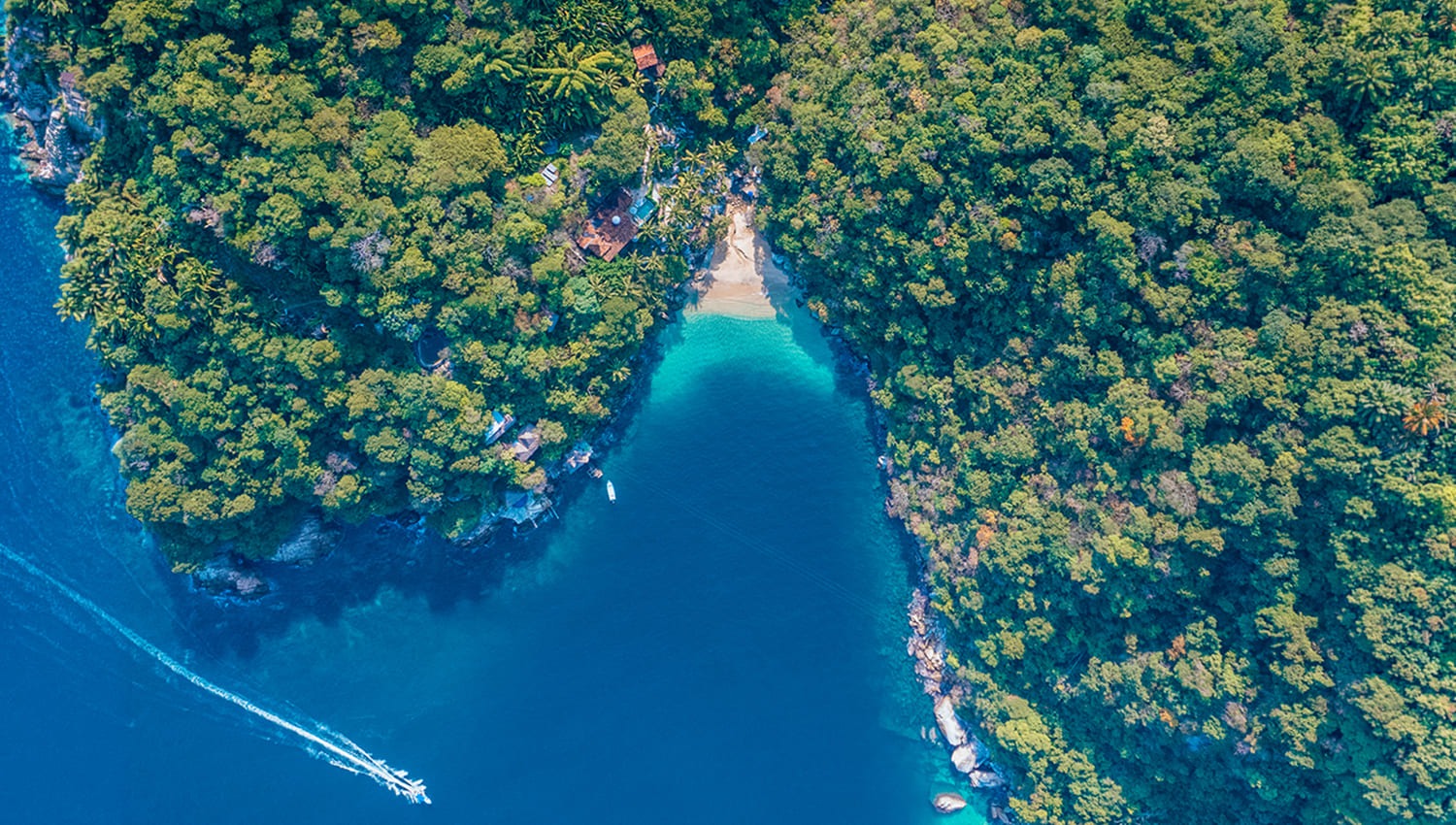
For many travelers, Riviera Nayarit begins facing the Pacific: vast beaches, surf towns, jungle-covered mountains, and resorts that have made this region one of Mexico’s most attractive destinations. However, simply heading inland reveals a different Nayarit—one deeply rooted in its traditions and the stories of the people who live there.
Here, the journey extends far beyond taking in the scenery. Nayarit boasts a rich cultural landscape nurtured by artisans, traditional cooks, indigenous communities, centuries-old towns, archaeological sites, religious festivities, and customs passed down from generation to generation.
From its Pueblos Mágicos to the communities of the Sierra del Nayar, the state offers a different way to experience Mexico: not just as an observer, but by engaging with its traditions and meeting the people who keep them alive.
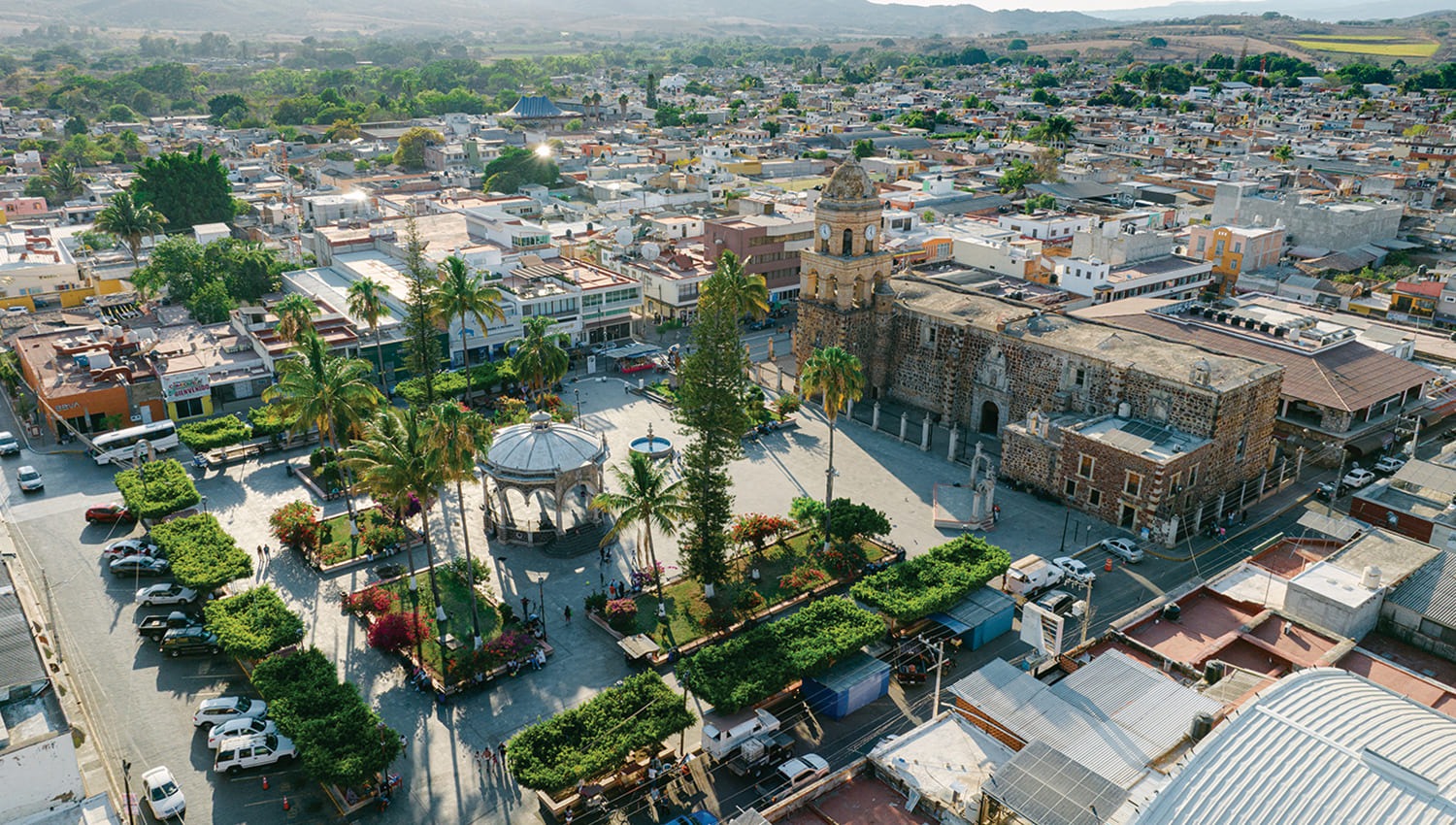
Compostela.
NINE PUEBLOS MÁGICOS, COUNTLESS STORIES
One of the most accessible ways to begin this journey is by exploring Nayarit’s nine Pueblos Mágicos: Sayulita, Compostela, Jala, Mexcaltitán, San Blas, Ixtlán del Río, Ahuacatlán, Amatlán de Cañas, and Puerto Balleto.
In Compostela, colonial architecture, cobblestone streets, and religious traditions evoke centuries of history. Jala, nestled at the foot of the El Ceboruco volcano, blends an agricultural setting with customs that remain part of daily life. San Blas combines a historic port and long maritime tradition with one of Mexico’s richest birdwatching environments.
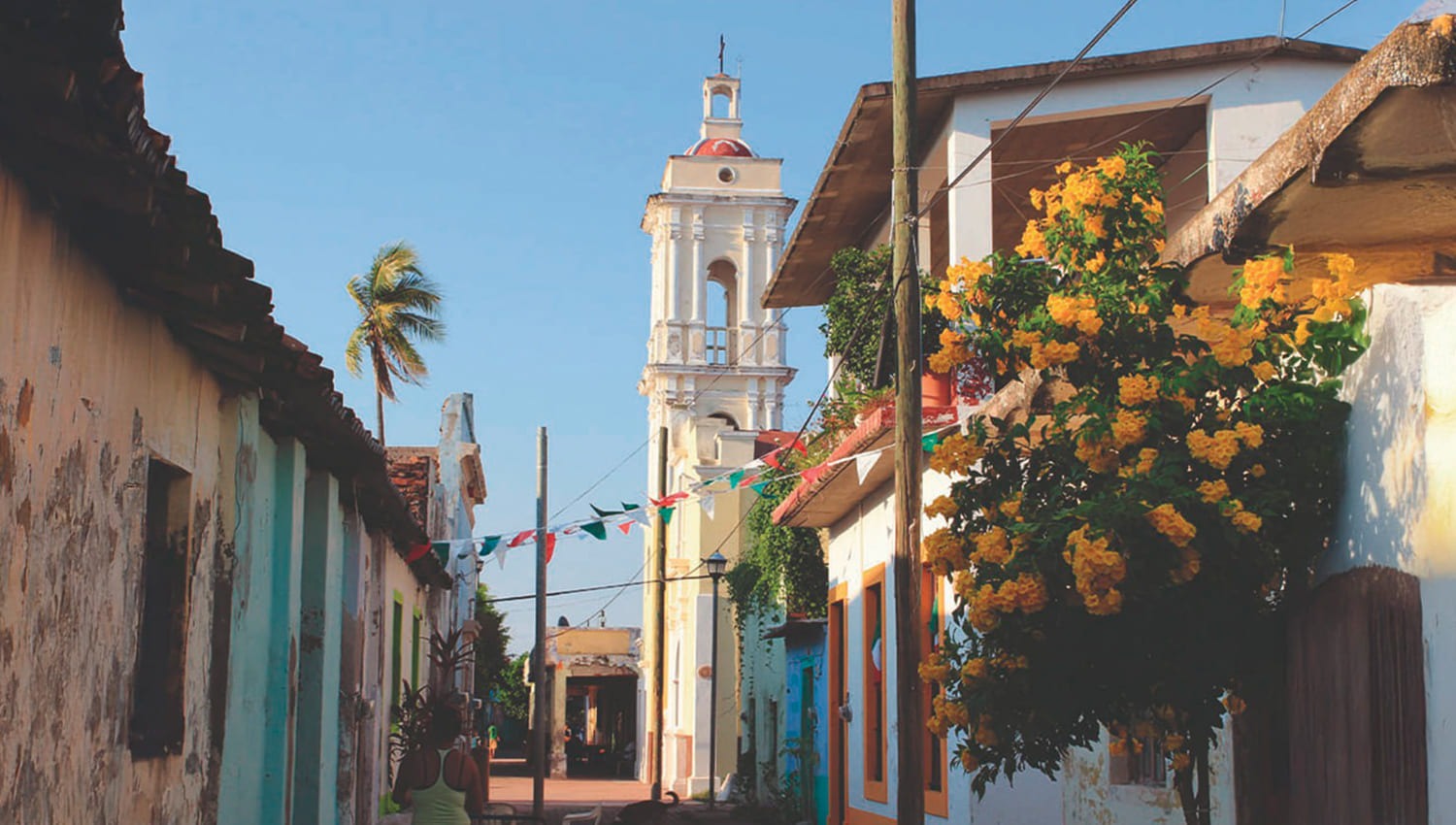
Mexcaltitán.
Ixtlán del Río protects the Los Toriles archaeological zone, one of the most important sites in western Mexico, while Ahuacatlán and Amatlán de Cañas offer access to communities surrounded by mountains, crops, and traditions far removed from the usual beach vacation circuits.
On the northern coast, Mexcaltitán provides a unique experience. During the rainy season, the streets of this small island transform into canals while fishing remains fundamental to daily life. Frequently associated with the legends of Aztlán (the mythical birthplace of the Mexica people), this site brings together history, gastronomy, and living tradition.
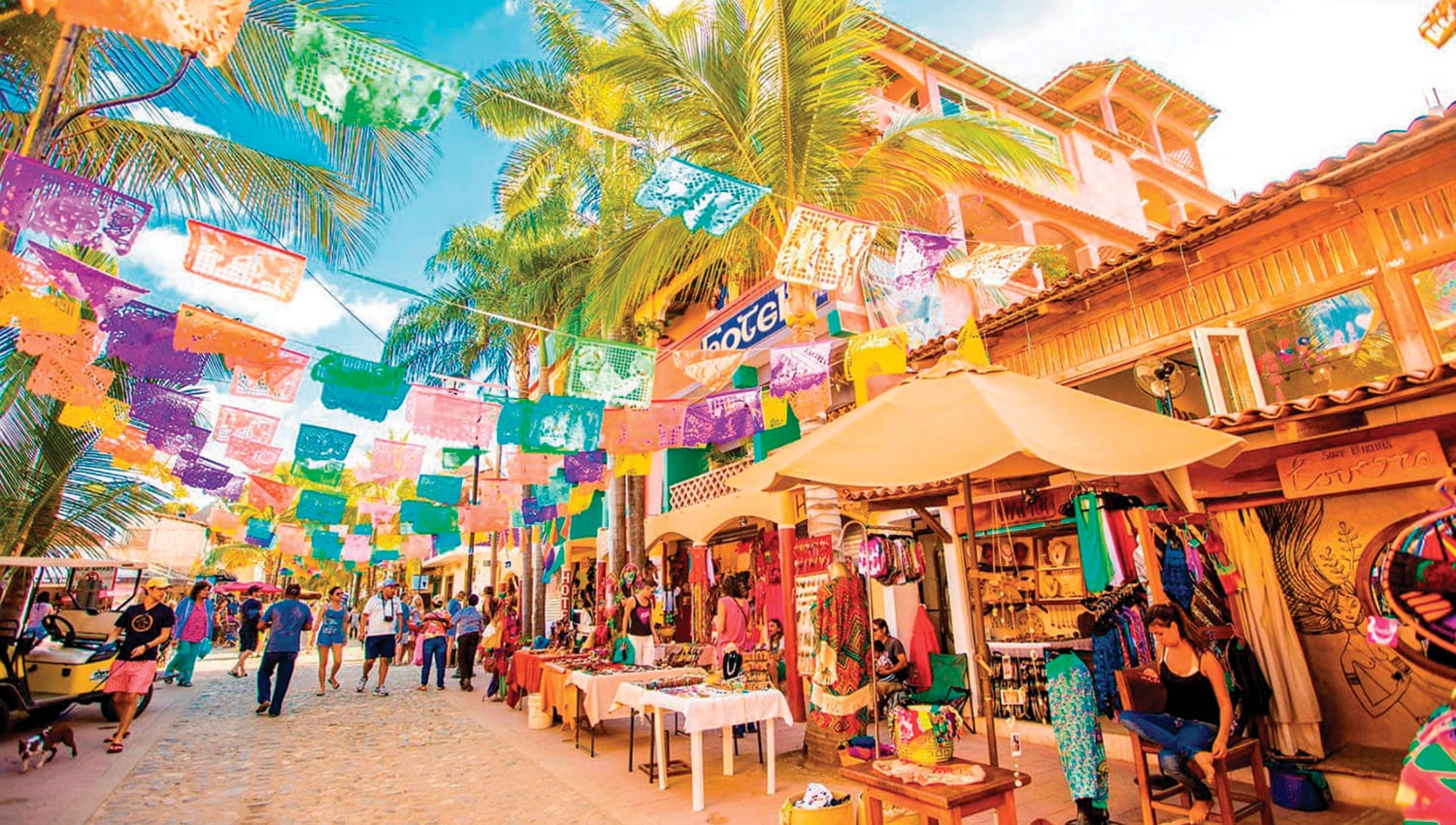
Sayulita.
Even Sayulita, internationally recognized for its surfing and bohemian vibe, tells a story that goes well beyond its waves. Its galleries, artisan workshops, and creative community are part of an identity forged alongside the sea.
THE REGION’S INDIGENOUS PEOPLES
Nayarit offers experiences tied to local communities, nature, and heritage, broadening the possibilities to discover areas beyond the conventional tourist corridor.
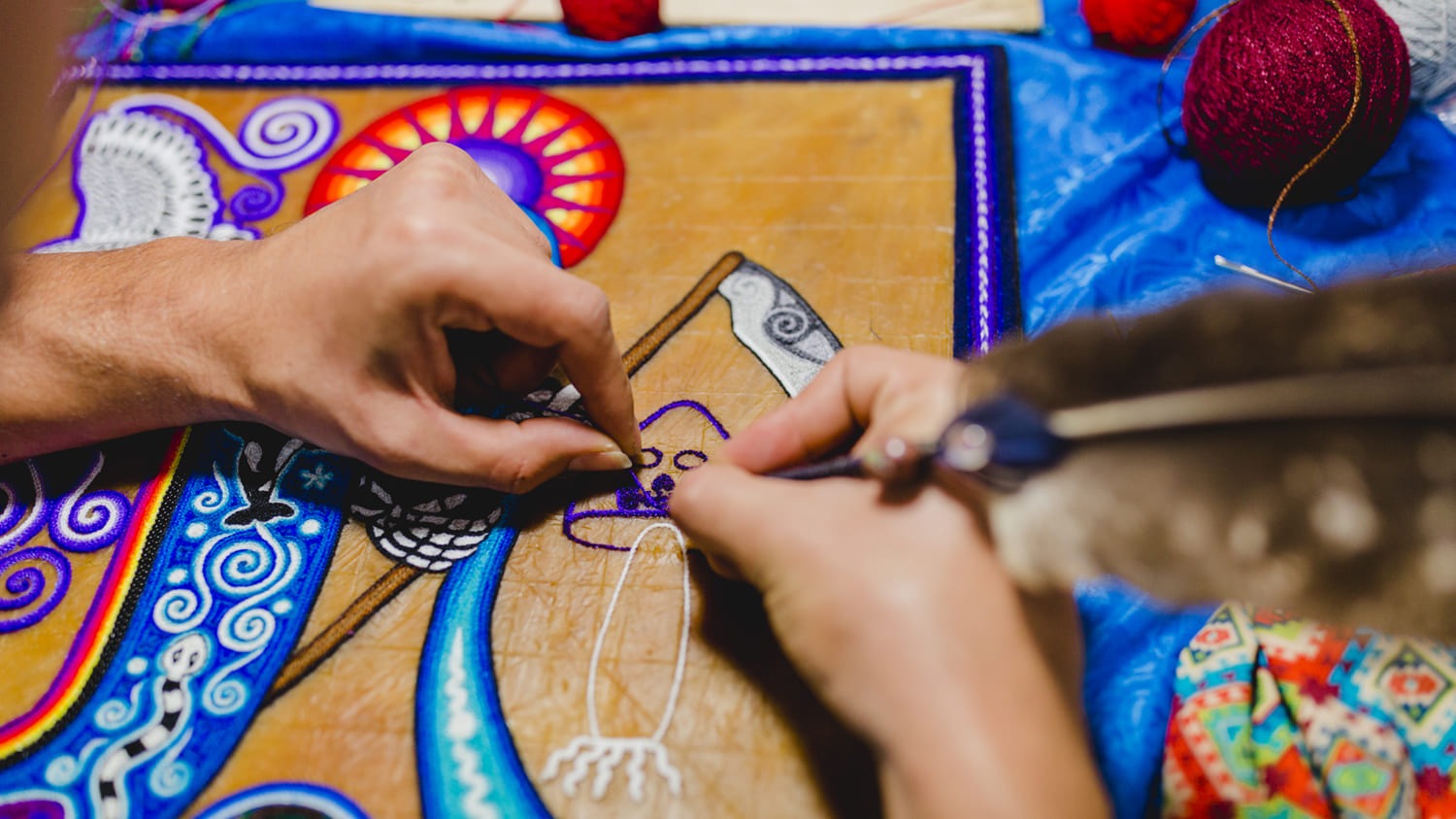
Wixárika Crafts.
These journeys are essential for connecting with Nayarit’s indigenous peoples, including the Wixárika, Na’áyeri, O’dam, and Mexicanera communities. Their art, ceremonies, gastronomy, worldview, and relationship with nature form a vital part of Nayarit’s identity.
In the Sierra del Nayar, community-led experiences allow visitors to learn about these traditions directly from those who preserve them. The exchange is rooted in respect: experiences are conducted in accordance with the protocols and wishes of the communities themselves, ensuring visitors help honor and preserve what is part of their heritage.
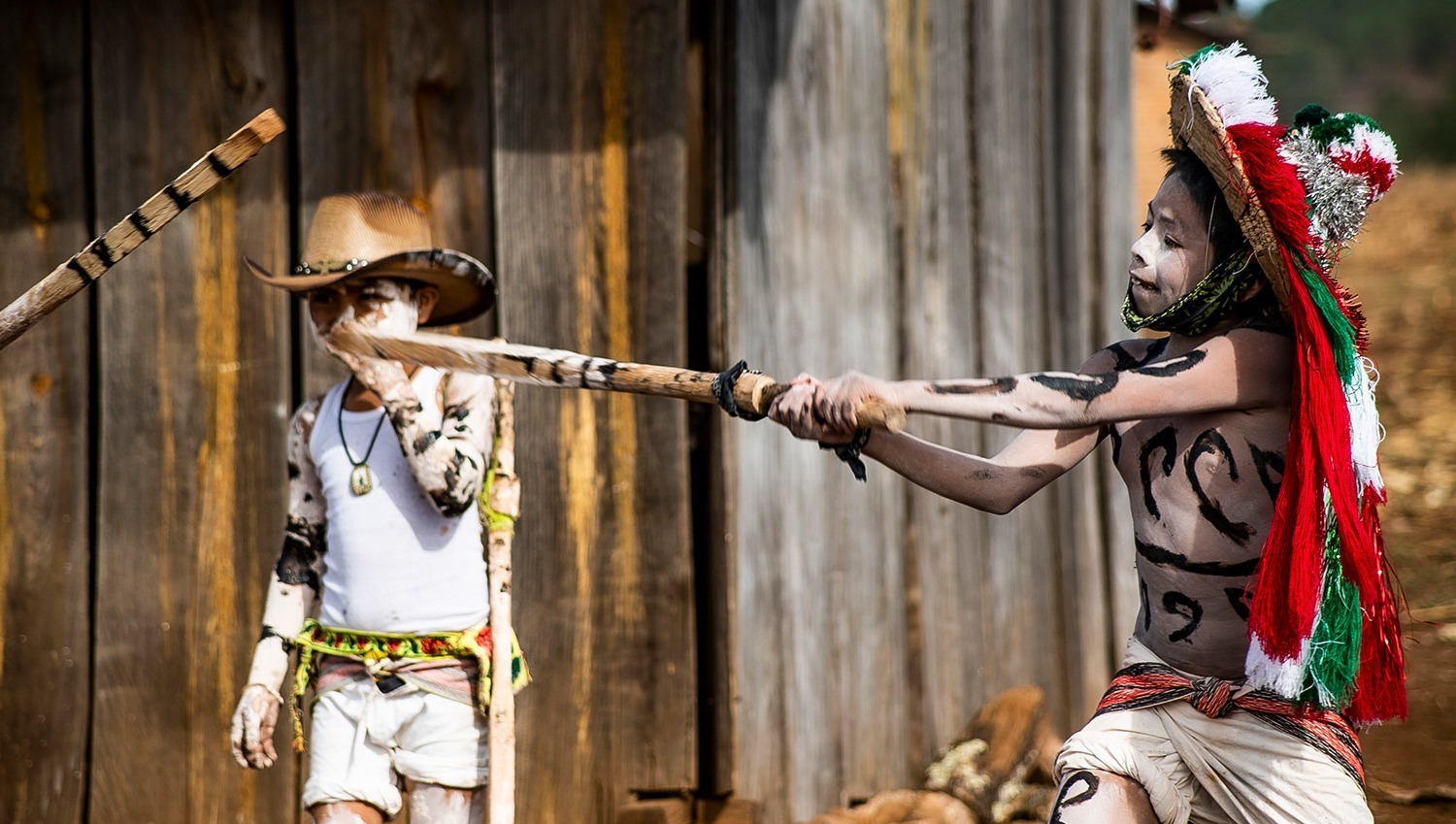
Cora Holy Week.
Religious and ceremonial festivities are another expression of this heritage. Cora Holy Week (Semana Santa Cora), for example, fuses indigenous beliefs with Catholic traditions in ceremonies that have evolved over centuries and remain a vital manifestation of Na’áyeri cultural identity.
NAYARIT IS ALSO DISCOVERED AT THE TABLE
Gastronomy is another major expression of the state’s identity. In Pacific coastal communities, generations of fishermen have developed a cuisine deeply connected to the sea. Pescado zarandeado (grilled over hot coals, traditionally using mangrove wood) is perhaps Nayarit’s most recognized contribution to coastal Mexican cuisine.
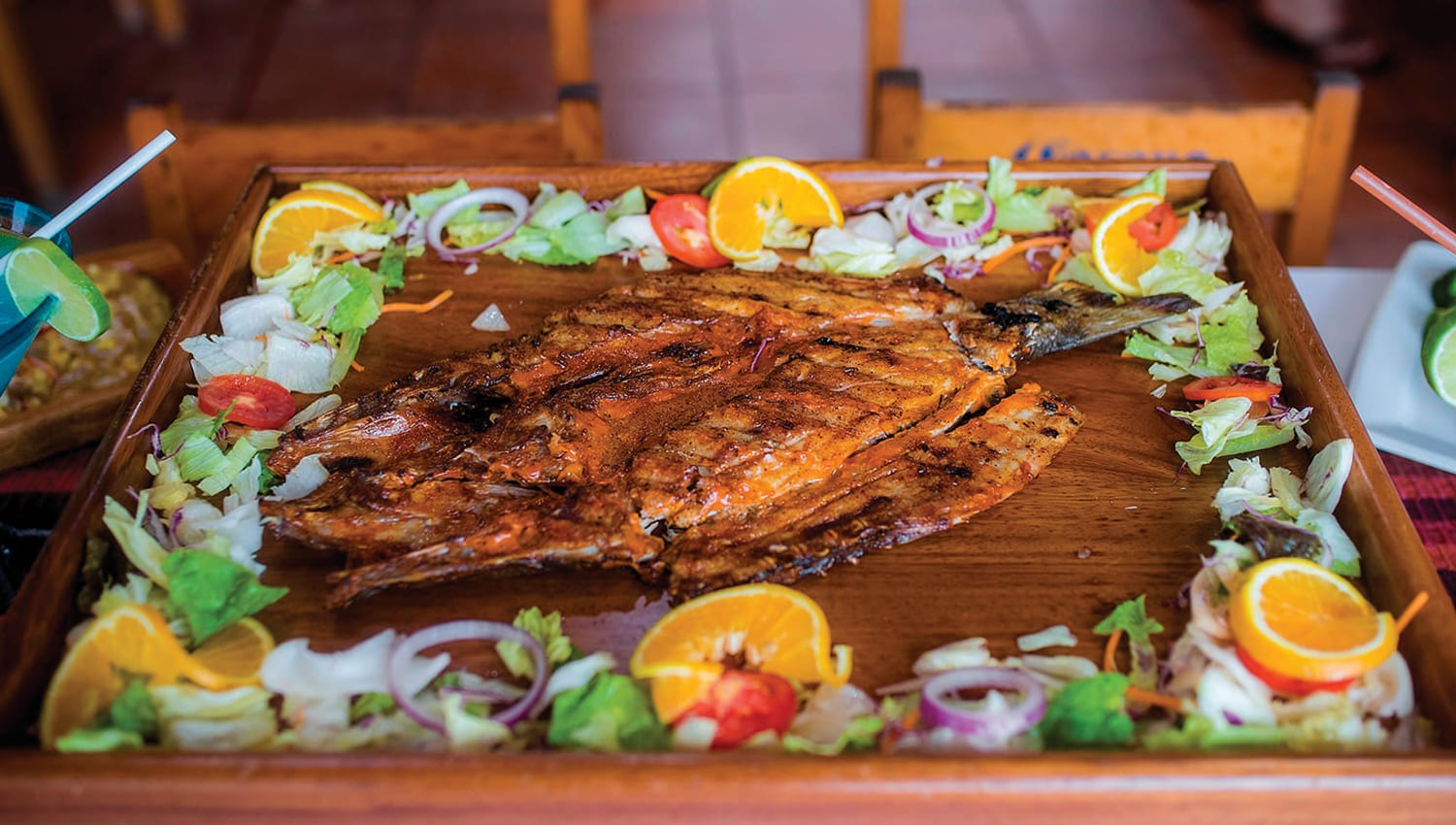
Pescado Zarandeado.
Alongside it are aguachiles, ceviches, and various shrimp preparations, featuring recipes that can vary from town to town and family kitchen to family kitchen.
Heading further inland, the landscape transforms the dining table as well. Corn, tropical fruits, local cheeses, traditional sweets, and regional beverages take center stage.
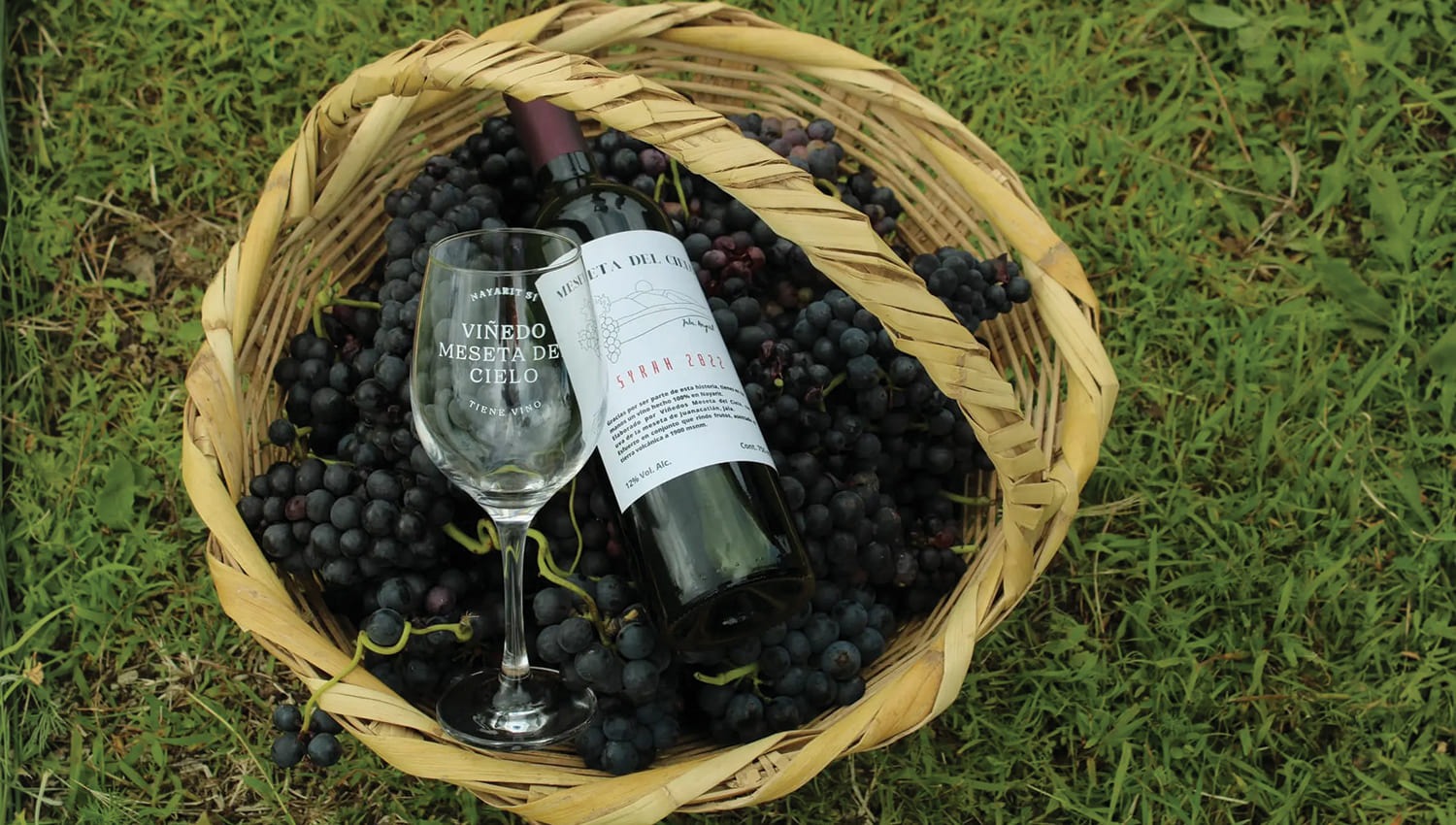
Meseta del Cielo Vineyard.
Within this productive landscape lies Meseta del Cielo, a vineyard that since 2019 has cultivated European grape varieties such as Syrah and Macabeo, exploring how they adapt to Nayarit’s climate.
Likewise, Nayarit forms part of Mexico’s agave landscape. Tequila and raicilla production links back to ancient distilling traditions, while the recognition of Nayarit Coffee (Café Nayarit) with a denomination of origin status reinforces the bond between territory, producers, and culinary identity.
At the same time, contemporary chefs draw inspiration from these roots to reinterpret Nayarit cuisine, particularly along the coast. Thus, traditional gastronomy and fine dining converge into a shared narrative centered on local ingredients and the land that yields them.
A HERITAGE THAT REMAINS ALIVE
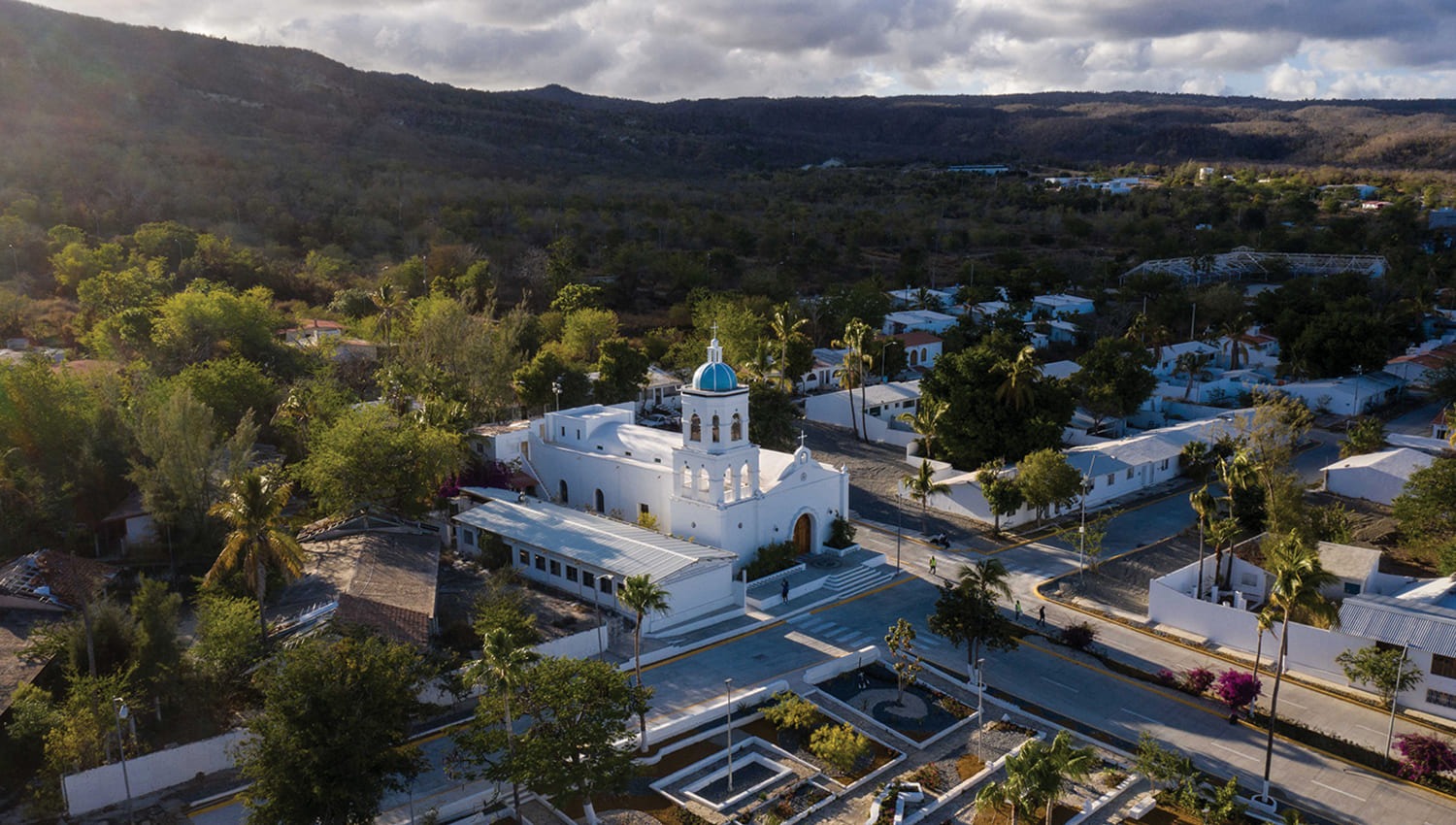
Puerto Balleto.
Perhaps the most captivating part of exploring Nayarit from this perspective is discovering that much of what travelers encounter is still a dynamic part of everyday life.
This dimension offers a compelling reason to venture beyond the coastline. The shore is an essential part of its appeal, but behind every landscape lies a community; behind every dish, a tradition; and behind every handicraft, a story.