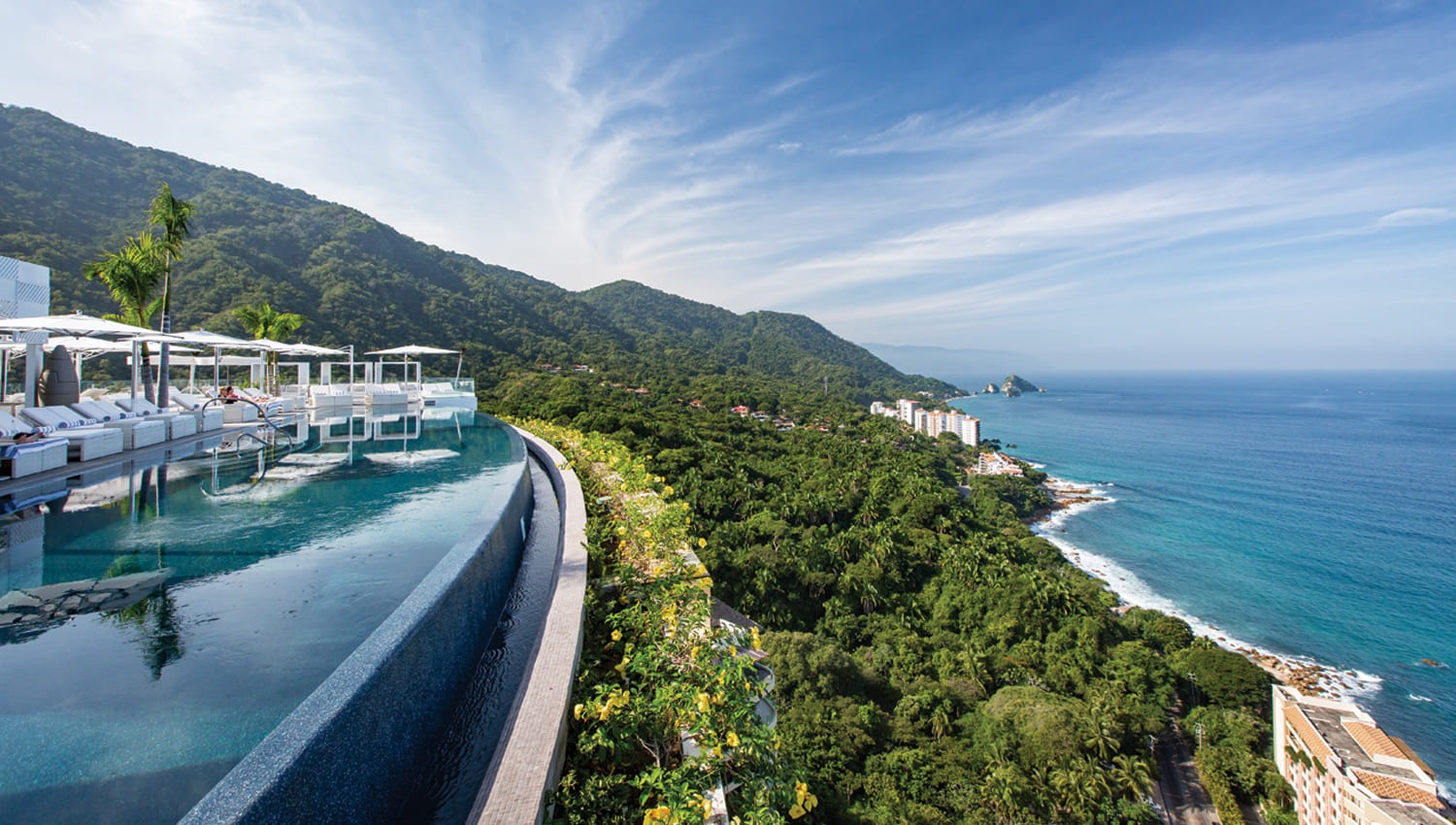
Throughout Vallarta · Nayarit, nature is intrinsically woven into the urban fabric. While some species are best observed within protected reserves or on guided excursions, others appear unannounced on a sun-drenched sidewalk, atop a stone wall, or even guarding a front door. The sight of an adult male Green Iguana—stately and serene upon a gateway—is not a rarity here; it is a vivid reminder that this destination remains deeply intertwined with its natural environment.
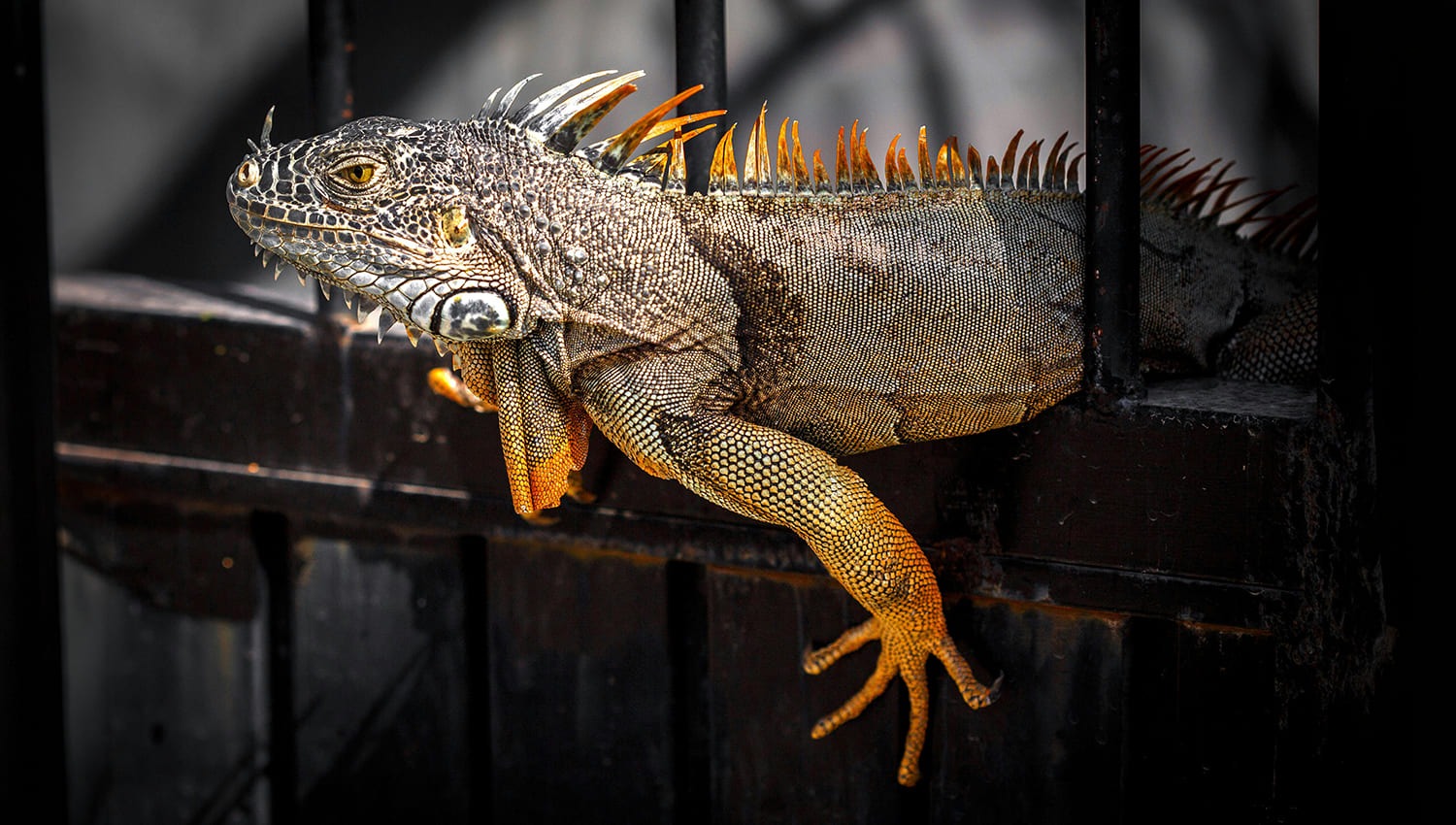
In Puerto Vallarta and Riviera Nayarit, it is remarkably common to spot iguanas basking on rooftops, in manicured gardens, or perched on architectural ledges, lending an almost sculptural quality to the scene. Their presence does more than just beautify the landscape—it speaks to a living, resilient ecosystem.
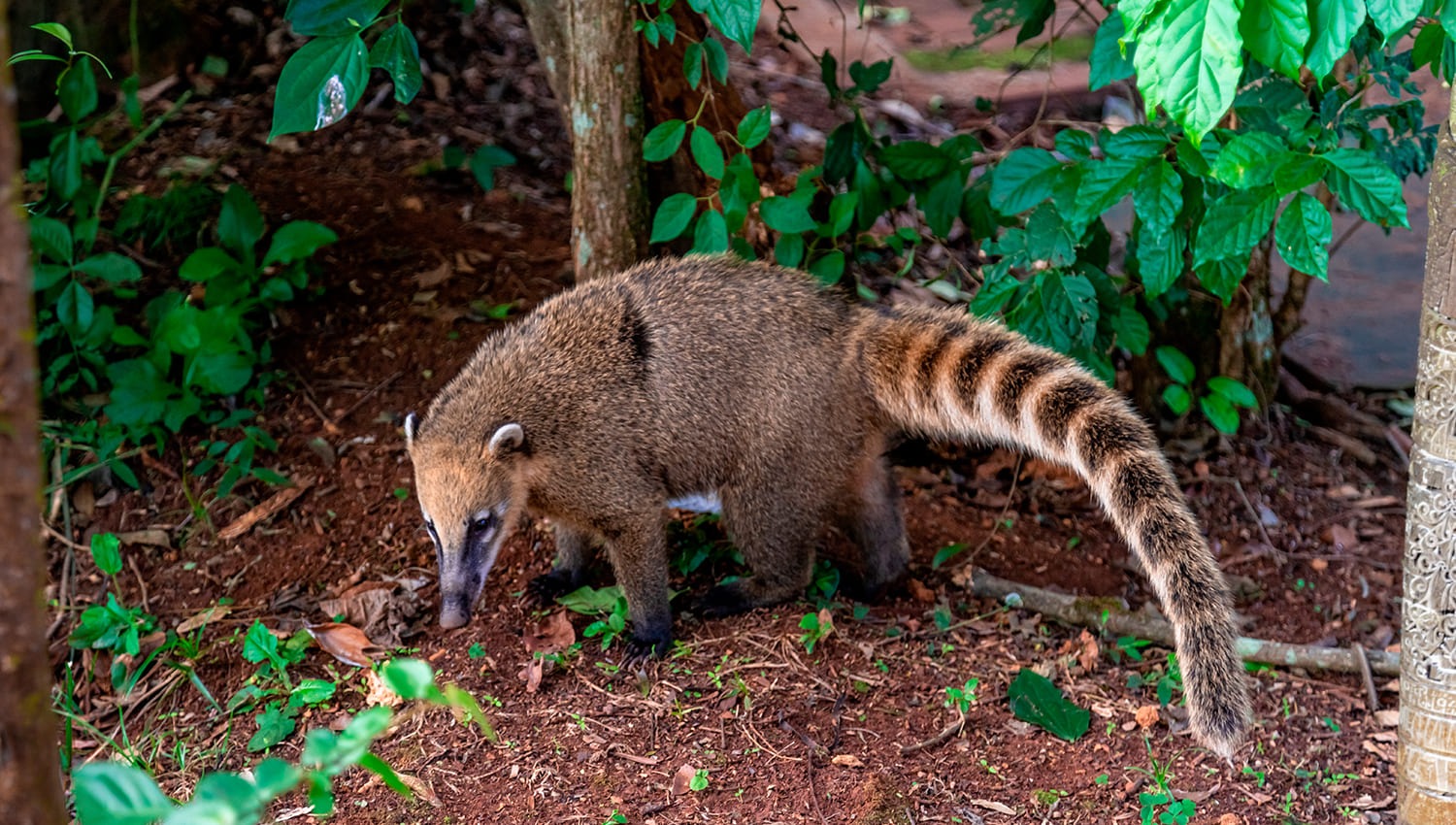
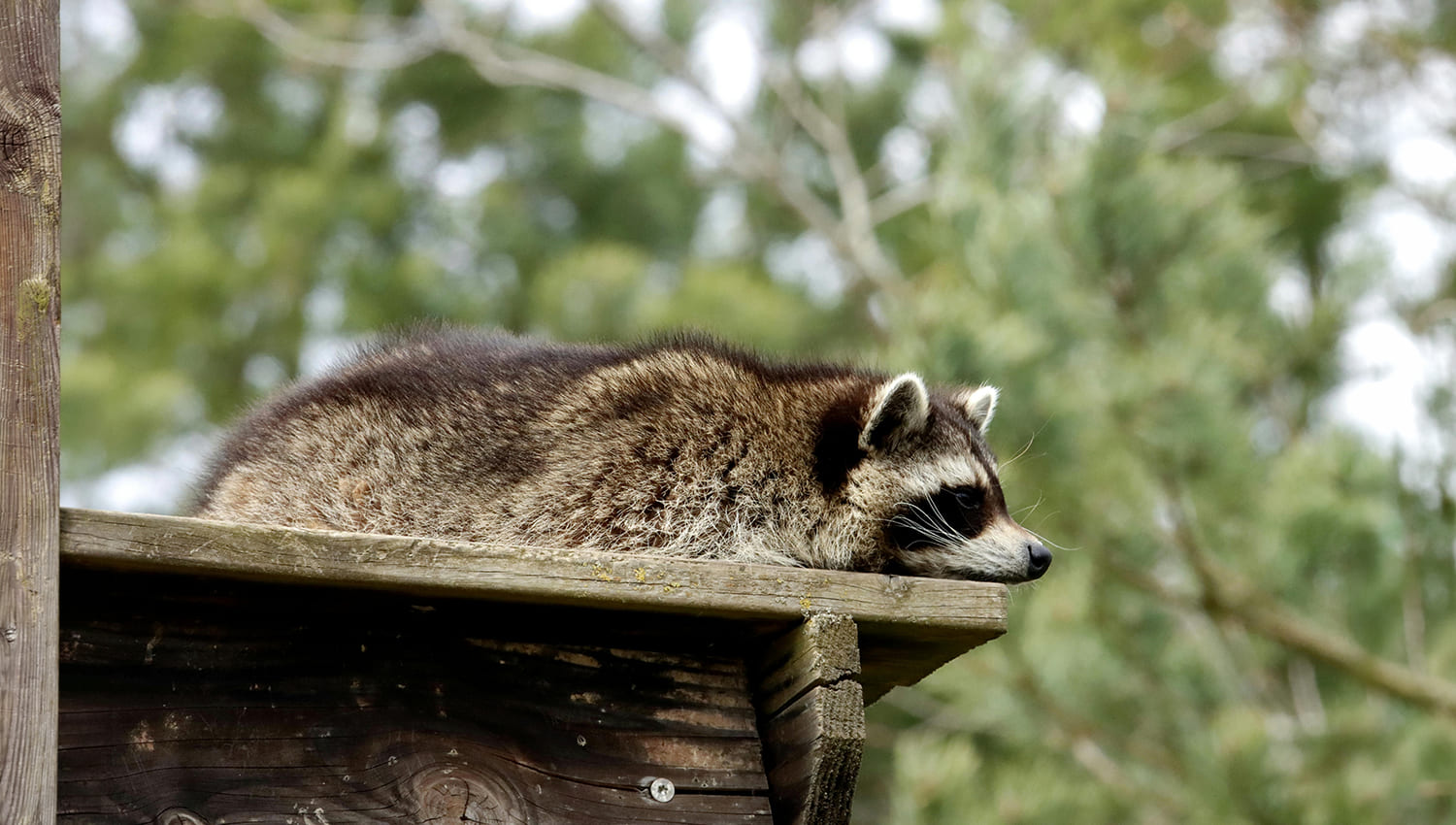
But they are not the only protagonists in this coastal story. In more wooded areas or near the estuaries, coatis (Tejones) wander with curious intent, often in small groups, exploring their surroundings with a captivating blend of caution and confidence. More elusive but equally fascinating, raccoons typically emerge at dusk, navigating streets, trees, and rooftops with surprising dexterity.
In areas where the jungle and coastal waterways meet the city, one might even catch a glimpse of the imposing American Crocodile, a species that inhabits the region’s estuaries and coastal lagoons. These encounters, while less frequent, serve as a powerful testament to the thin line between the wild and the inhabited.
Far from being seen as an intrusion, this coexistence suggests a harmonious relationship between urban development and local biodiversity. For residents and visitors alike, these sightings offer a rare opportunity: to pause, observe, and reconnect with the essentials of the natural world.
However, this proximity comes with a shared responsibility. Admiring these animals from a respectful distance, refraining from feeding them, and honoring their space is fundamental to preserving this delicate balance. The true magic of Vallarta · Nayarit lies precisely in this possibility of coexistence—where nature is not a distant spectacle, but a constant, living presence.