Set among mountains, green landscapes, and communities that preserve a deep-rooted agricultural tradition, Nayarit safeguards one of the most representative expressions of its culinary wealth: coffee. Municipalities such as Compostela and Ruiz form part of a coffee-growing history that combines privileged natural conditions, knowledge passed down through generations, and beans with a distinct character.
The most significant recognition for this industry arrived on March 3rd, 2026, when Café Nayarit officially obtained its Designation of Origin (Denominación de Origen), a distinction that protects its identity and provenance while recognizing the link between the territory’s characteristics and the quality of its production.

Nayarit coffee, primarily of the Arabica species, stands out for its aromatic profiles, featuring notes of chocolate, caramel, and nuts, alongside fruity and floral undertones. These characteristics vary depending on growing conditions, roasting, and processing methods.
A JOURNEY THROUGH COFFEE CULTURE
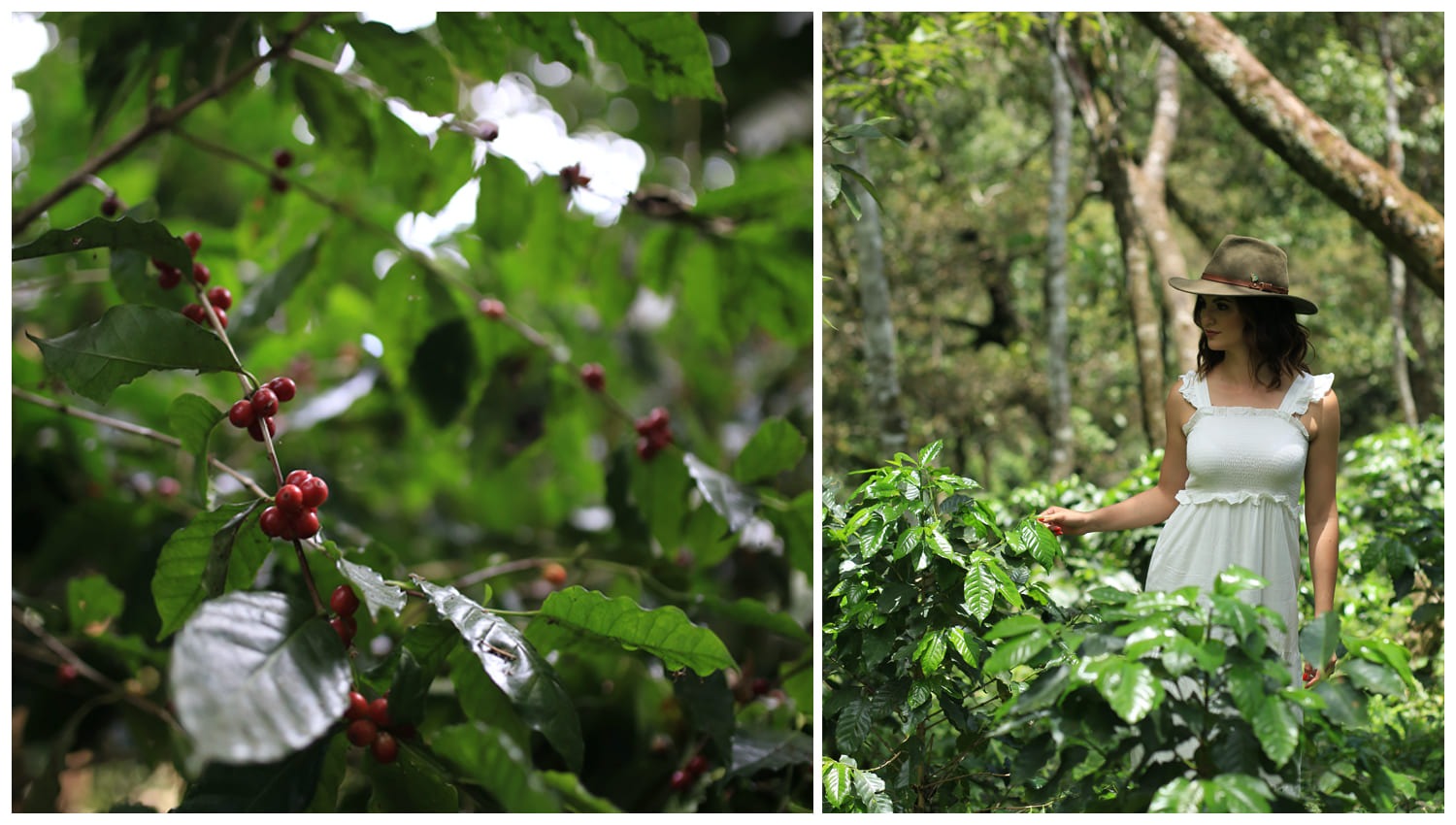
In the Magical Town (Pueblo Mágico) of Compostela, particularly in the community of Cumbres de Huicicila, this tradition can be experienced firsthand along the Tobacco and Coffee Route (Ruta del Tabaco y Café). The experience allows visitors to tour plantations, discover the different stages of bean cultivation and processing, and participate in tastings to appreciate its qualities.
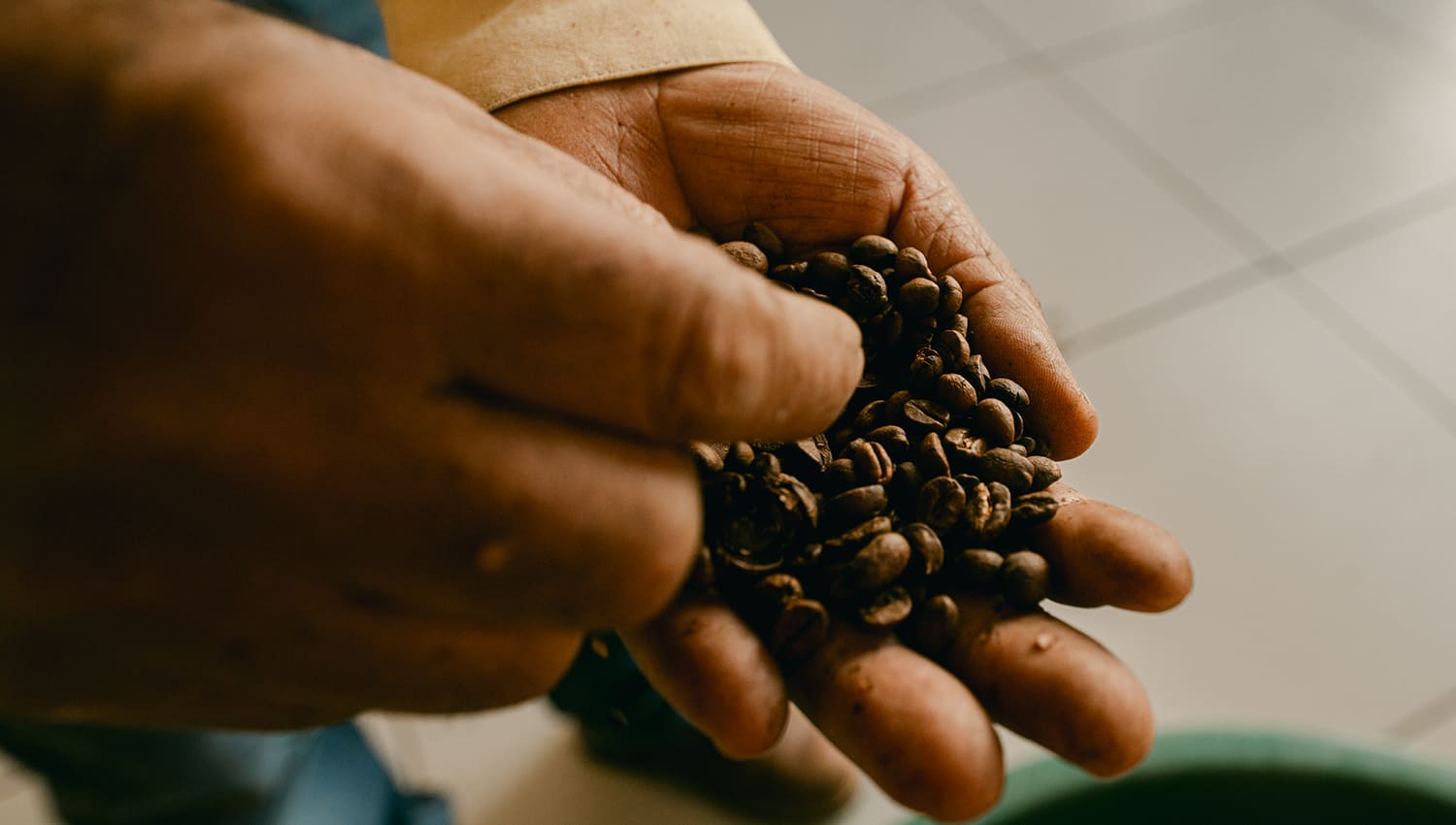
The route also offers an introduction to local customs through culinary offerings like Coffee Tamales (Tamales de Café) and various artisan workshops showcasing the region’s cultural heritage.
Meanwhile, Ruiz maintains a vital coffee-producing tradition. With 4,025 acres planted with coffee, this crop represents a source of livelihood and identity for numerous rural communities.

Today, Nayarit’s coffee sector brings together more than 2,300 producers and exceeds 34,500 acres of cultivation across the state. Thus, every cup of Café Nayarit offers much more than an aromatic experience: it represents the labor of its communities, the richness of its land, and a tradition that today finds new opportunities for recognition and growth.